
What Drugs Cause Small Pupils
Small pupils (also called pinpoint pupils) are commonly caused by certain drugs, especially opioids. Examples include:
- Morphine
- Heroin
- Codeine
- Oxycodone
Other substances that may cause small pupils include some sedatives and medications used for anxiety or sleep. These drugs affect the nervous system and cause the pupils to constrict.
What Do Small Pupils Mean Emotions
Pupil size can change with emotions. Small pupils may be linked to:
- Discomfort or lack of interest
- Negative emotions like fear or stress
- Focus or concentration
However, emotional influence on pupil size is subtle and not always reliable, as lighting and health factors play a bigger role.
Small Pupils Spiritual Meaning
In spiritual or symbolic interpretations, small pupils may represent:
- Inner focus or introspection
- Emotional withdrawal or protection
- Reduced openness to external influences
These meanings are subjective and vary depending on beliefs and cultural perspectives.
What Does It Mean When Your Pupils Are Small When You Look at Someone
If your pupils become small when looking at someone, it may indicate:
- Lack of attraction or emotional connection
- Bright lighting conditions
- Mental focus or evaluation
Pupil size alone is not a reliable indicator of feelings, as many physical factors affect it.
Are Small Pupils Normal
Yes, small pupils can be completely normal, especially in:
- Bright light (the most common reason)
- Aging (pupils naturally become smaller over time)
- During focus or concentration
However, consistently very small pupils in low light may require medical attention.
Small Pupils and Anxiety
Anxiety can affect pupil size, but it more commonly causes dilated (large) pupils. However, in some cases, stress or nervous system responses may lead to temporary constriction. Other symptoms like rapid heartbeat, sweating, or tension usually accompany anxiety.
Are Small Pupils a Sign of Dehydration
Small pupils are not typically a direct sign of dehydration. Dehydration usually causes symptoms like:
- Dry mouth
- Fatigue
- Dizziness
- Dark urine
While dehydration can affect overall body function, it does not usually cause noticeable pupil constriction.
Why Are My Pupils So Small and I Feel Dizzy
If you have very small pupils along with dizziness, it could be related to:
- Medication or drug effects
- Low blood pressure
- Neurological issues
- Eye or brain conditions
⚠️ This combination can sometimes be serious. If symptoms are sudden, severe, or persistent, it’s important to seek medical attention immediately.
What Does “Small Pupils” Mean?
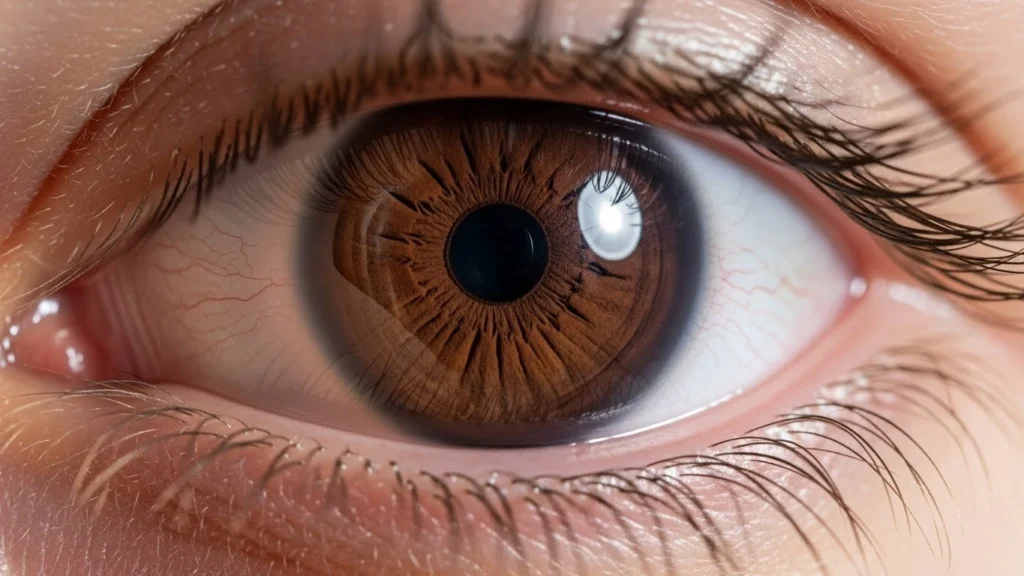
Small pupils, medically called miosis, occur when the black center of the eye becomes noticeably constricted.
Simple definition
Small pupils (miosis):
A condition where the pupils are smaller than normal, often due to light, medication, emotions, or medical factors.
Normal pupil size
Average pupil size: 2–4 mm in bright light
Pupils naturally shrink in bright environments
Pupils expand in darkness or low light
So in many cases, small pupils are completely normal.
What Causes Small Pupils?
Understanding the small pupils meaning requires looking at different possible causes.
1. Bright light exposure
This is the most common and harmless reason.
Pupils shrink to protect the retina
Happens instantly in sunlight or strong indoor lighting
2. Emotional or mental states
Certain emotions can cause pupil constriction:
Deep concentration
Stress or anxiety
Feeling overwhelmed or guarded
This is subtle but real—your nervous system controls pupil size.
3. Medications and substances
Some medications cause small pupils as a side effect:
Opioid painkillers
Certain eye drops
Some blood pressure medications
In medical contexts, pinpoint pupils are often monitored carefully.
4. Fatigue and exhaustion
When the nervous system is tired:
Pupils may not respond normally
They may stay smaller than usual
5. Age-related changes
As people age:
Pupils naturally become smaller
Reaction speed to light slows
This is a normal part of aging, not usually a concern.
Small Pupils Meaning in Medical Contexts
While often harmless, small pupils can sometimes indicate health issues, especially if sudden or paired with symptoms.
Possible medical causes
Head injury or trauma
Stroke or brain injury
Certain neurological conditions
Drug overdose (especially opioids)
When small pupils are concerning
Seek medical attention if small pupils appear with:
Confusion or slurred speech
Severe headache
Unequal pupil sizes
Loss of consciousness
In these cases, pupil size is a diagnostic clue, not a diagnosis itself.
Small Pupils Meaning in Emotional or Behavioral Context
Outside of medicine, people sometimes wonder if small pupils reveal emotions or intentions.
Psychological interpretation
Small pupils can be associated with:
Discomfort or distrust
Mental effort or focus
Emotional withdrawal
However, pupil size alone cannot reliably reveal thoughts or honesty. Lighting and physiology matter more than psychology.
In social situations
You may notice small pupils when someone:
Is in a bright environment
Is deeply focused
Feels overstimulated
It’s not a guaranteed sign of emotion.
Real-Life Situations Where Small Pupils Are Noticed
Here are common scenarios where people search what do small pupils mean.
Example 1: Looking in the mirror
You notice your pupils look tiny indoors.
Explanation: Bright lighting or screen exposure is likely the cause.
Example 2: Doctor examination
A healthcare provider checks pupil response.
Explanation: They’re testing nervous system function.
Example 3: Someone seems “off”
A person has very small pupils and appears unwell.
Explanation: Could indicate medication effects or a medical issue—context matters.
Example 4: Photography or videos
Eyes look different on camera.
Explanation: Camera flashes and lighting cause pupil constriction.
Common Mistakes & Misunderstandings
Many people misunderstand the small pupils meaning, leading to unnecessary worry.
1. Assuming it always means drug use
While some substances cause small pupils, many normal factors do too.
2. Thinking emotions control pupils completely
Emotions influence pupils slightly, but lighting dominates.
3. Ignoring context
Pupil size without symptoms usually isn’t meaningful.
4. Confusing unequal pupils with small pupils
Unequal pupils (anisocoria) are a different issue entirely.
Related Eye & Health Terms
Understanding related terms helps clarify small pupils meaning.
Related terms
Miosis: Medical term for small pupils
Mydriasis: Dilated or large pupils
Anisocoria: Unequal pupil size
Pupillary response: Reaction to light
These terms often appear in medical explanations.