

Sinews Meaning in the Bible
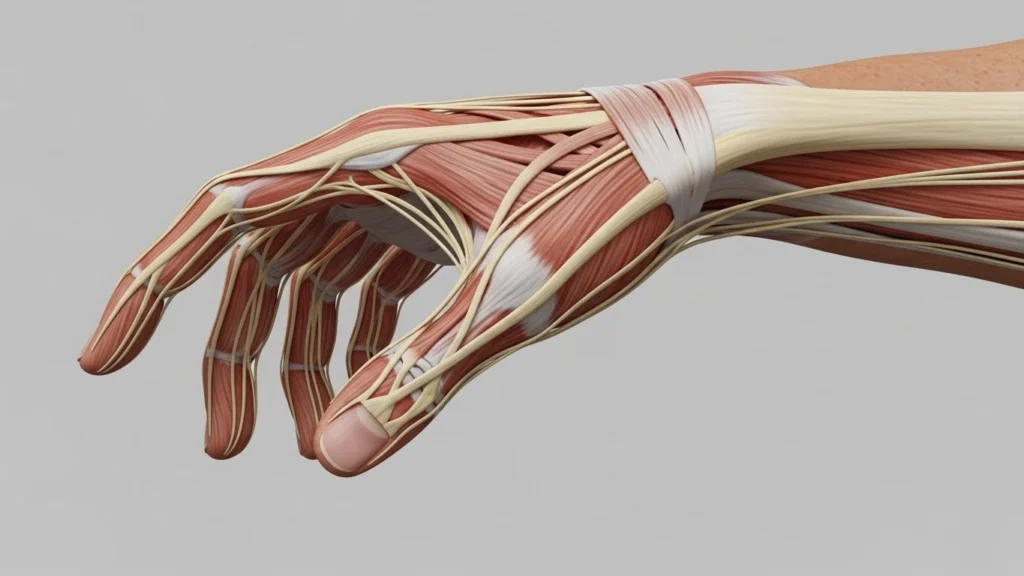
In the Bible, sinews refer to the tendons or strong connective tissues that attach muscles to bones. The word is often used both literally and symbolically.
In biblical passages, sinews can symbolize strength, power, and the physical structure of the human body. One famous example appears in the vision of dry bones in the Book of Ezekiel, where sinews grow back on bones to restore life.
Example:
“I will lay sinews upon you and bring flesh upon you.” (Ezekiel 37:6)
Sinews Meaning in English
In general English, sinews are tough fibrous tissues (tendons) that connect muscles to bones and help the body move.
The word can also be used figuratively to mean the source of strength or support for something.
Example:
Strong sinews help athletes move with power and control.
Sinews of War Meaning
The phrase “sinews of war” refers to the financial resources, money, or supplies needed to support a war or major effort.
It suggests that funding and resources are the strength that allows war or large operations to continue.
Example:
The king raised taxes to provide the sinews of war.
Sinewy Meaning
Sinewy is an adjective describing someone or something that is lean, strong, and muscular, with visible tendons or muscles.
It often refers to a person with strong but slim muscles rather than bulky strength.
Example:
The climber had a sinewy build that helped him move quickly.
Sinew Pronunciation and Meaning
Pronunciation:
/SIN-yoo/ or /SIN-yu/
Meaning:
A sinew is a tendon or tough band of tissue that connects muscle to bone, allowing movement in the body.
The word can also symbolize strength, support, or power in a metaphorical sense.
Sinew Synonym
Common synonyms for sinew include:
Tendon
Ligament (similar but slightly different)
Strength
Muscle
Power
These words relate to physical strength or connective tissues in the body.
Sinews Meaning in Chinese
In Chinese, sinews can be translated as:
肌腱 (jī jiàn) – meaning tendon
筋 (jīn) – meaning tendon or muscle fiber
These words describe the tough tissues connecting muscles and bones.
Example:
运动员需要强壮的肌腱来提高表现。
(Athletes need strong sinews to improve performance.)
Sinew in a Sentence
Here are a few example sentences using sinew:
The athlete’s strong sinews allowed him to run faster.
Hard work and determination are the sinews of success.
The hunter used animal sinew to make a strong bowstring.

What Does Sinews Meaning in Anatomy and Text?
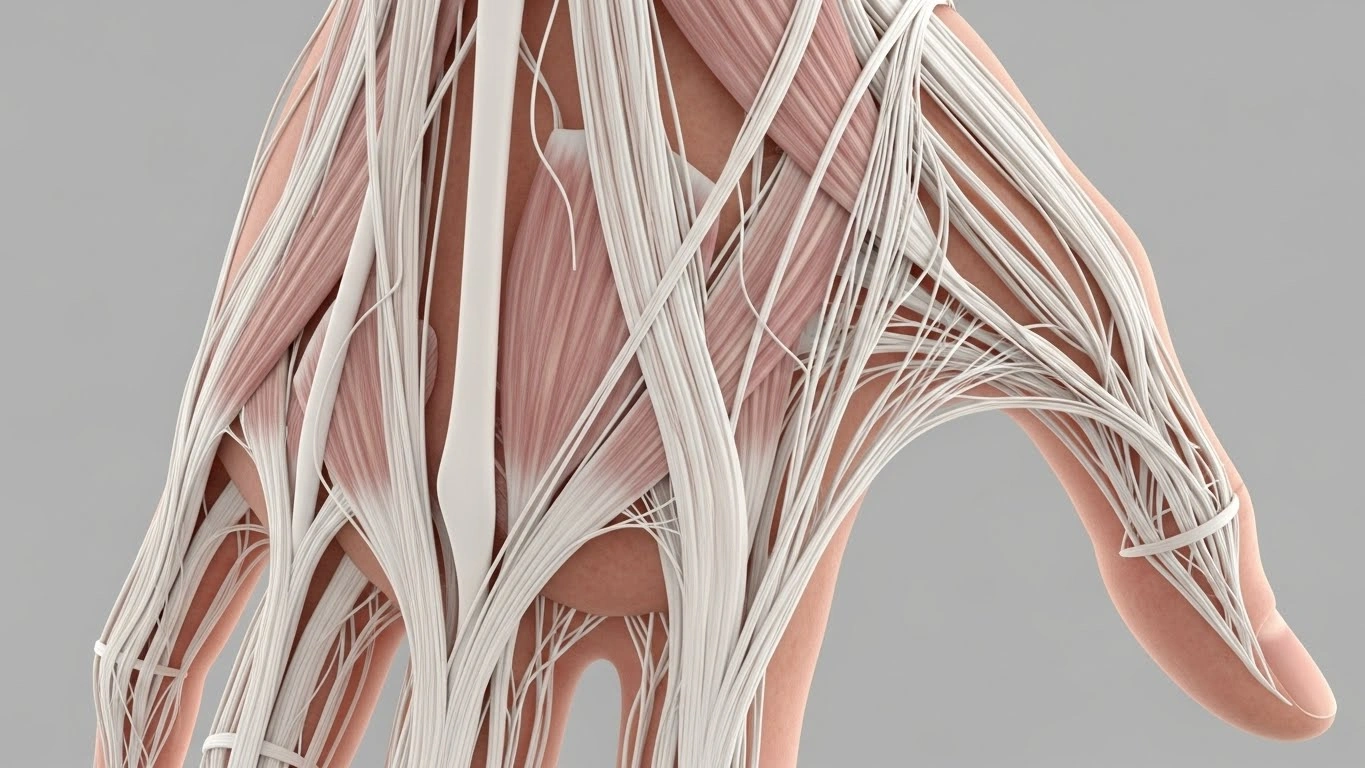
The sinews meaning primarily refers to tendons or connective tissues that attach muscles to bones. In anatomy, sinews are strong, fibrous tissues that help your body move by transmitting the force of muscles to bones.
Extended Meanings
Literal (Anatomical): Tendons that connect muscle to bone and support movement.
Figurative (Literary/Metaphorical): Strength, resilience, or the underlying support of something. For example, “The sinews of a nation” refers to the fundamental strength or power of a country.
Everyday Language: Sometimes used to describe someone’s physical strength or robustness.
The dual use of sinews makes it a versatile word in English, bridging science, literature, and everyday speech.
How People Use Sinews Meaning in Real Conversations
The sinews meaning appears in different contexts, both literal and figurative.
Platforms & Contexts
Academic Writing & Biology: To describe tendons or anatomical structures.
Literature & Poetry: Writers use sinews metaphorically to symbolize strength, resilience, or the backbone of something.
Casual Conversations: Occasionally used to comment on someone’s muscularity or physical fitness.
Historical/Philosophical Texts: Referring to essential forces or support systems, e.g., “The sinews of power.”
Appropriate vs Awkward Use
Appropriate:
Discussing anatomy in biology class or medical writing
Using figuratively in essays, speeches, or literary analysis
Complimenting someone’s strength in a descriptive way
Awkward:
Casual texts where the audience might not understand the figurative meaning
Overusing it in informal conversations, making it sound pretentious
Real-Life Examples of Sinews Meaning in Text and Speech
Here are examples illustrating sinews meaning:
Example 1 – Anatomy:
“The surgeon repaired the torn sinews in his knee.”
Explanation: Literal meaning—tendons connecting muscles to bones.
Example 2 – Literature:
“The sinews of the city’s economy are built on trade and innovation.”
Explanation: Figurative meaning—refers to the essential strength or foundation of something.
Example 3 – Everyday Speech:
“His sinews were visible after years of hard labor.”
Explanation: Describes physical strength or muscularity.
Example 4 – Historical/Philosophical Text:
“Education is the sinew of a thriving society.”
Explanation: Figurative use—education is the underlying support of society’s strength.
Common Mistakes & Misunderstandings About Sinews Meaning
Thinking sinews only refer to muscles: Sinews specifically connect muscles to bones—they are tendons, not the muscles themselves.
Confusing literal and figurative uses: Context matters. “Sinews of power” is metaphorical, not anatomical.
Mispronunciation: It’s pronounced “SIN-yoos,” not “sin-ews” or “sin-oos.”
Overusing in casual speech: Can confuse listeners if they’re unfamiliar with the figurative sense.
Related Words & Abbreviations
Knowing related words helps understand sinews meaning more fully:
Tendons: Anatomical equivalent of sinews.
Ligaments: Connect bones to bones, different from sinews but often confused.
Fibers: Can refer to connective tissues in general.
Backbone: Figurative synonym for sinews in literature.
Muscle: Often discussed together with sinews, but not identical.
These terms help clarify the literal and figurative contexts of sinews.