
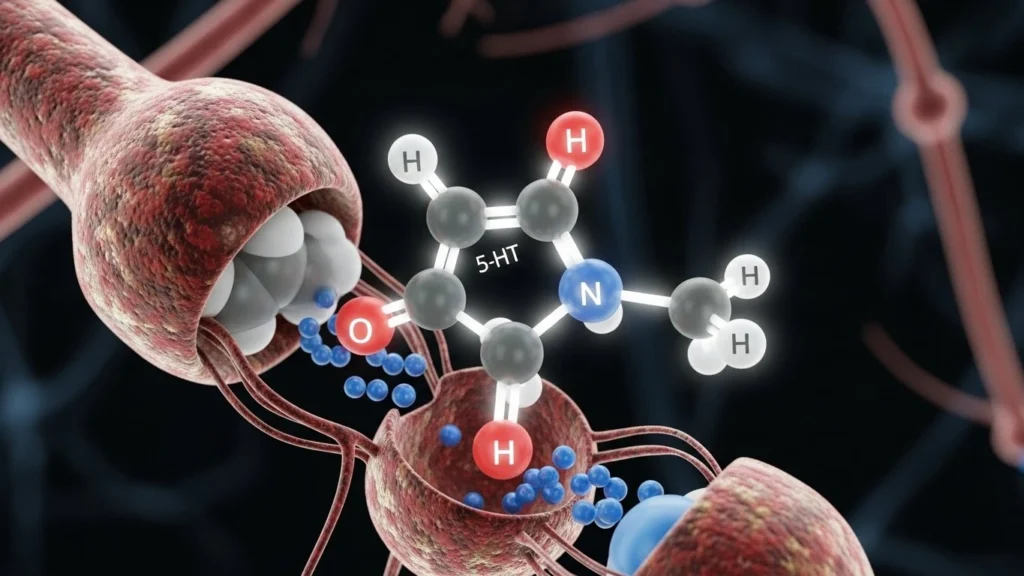
What Does Serotonin Meaning?
Serotonin is a natural chemical messenger in the body that helps regulate mood, emotions, sleep, appetite, and overall well-being.
In simple terms:
Serotonin is a neurotransmitter
It helps brain cells communicate
It influences how calm, stable, or balanced you feel
Serotonin is not just about happiness — it affects both the mind and the body.
Serotonin Meaning in Simple Words
The serotonin meaning can be explained as a chemical that helps keep your mood and body functions stable.
It helps with:
Feeling emotionally balanced
Staying calm under stress
Regulating sleep cycles
Controlling appetite and digestion
Low or high serotonin levels can affect how you feel physically and emotionally.
Where Serotonin Comes From
Many people think serotonin is only in the brain, but that’s not true.
Serotonin is found in:
The brain
The digestive system
Blood platelets
In fact, most serotonin is produced in the gut, not the brain. The brain uses serotonin mainly for mood regulation and mental balance.
Serotonin Meaning in the Brain
In the brain, the serotonin meaning is closely linked to mood regulation and emotional control.
Healthy serotonin levels are associated with:
Emotional stability
Calmness
Focus
Better stress response
Low serotonin levels are often linked to:
Low mood
Anxiety
Irritability
Sleep problems
This is why serotonin is commonly discussed in mental health topics.
Serotonin Meaning in Mental Health
In mental health discussions, the serotonin meaning often comes up in relation to depression and anxiety.
Serotonin helps:
Regulate emotions
Prevent mood swings
Support emotional resilience
Some medications, like antidepressants, are designed to help balance serotonin levels in the brain. This does not mean serotonin alone controls mental health, but it plays an important role.
Serotonin Meaning vs Dopamine
People often confuse serotonin with dopamine, but they are not the same.
Serotonin meaning:
Emotional balance
Calmness
Stability
Dopamine meaning:
Motivation
Reward
Pleasure
In simple terms:
Dopamine helps you feel excited
Serotonin helps you feel content
Both are important, but they serve different purposes.
Serotonin Meaning in Everyday Life
Even if you don’t realize it, serotonin affects daily experiences.
It influences:
How well you sleep
How satisfied you feel
How you handle stress
How your digestion works
When serotonin levels are balanced, people often feel more emotionally steady and physically comfortable.
Common Myths About Serotonin Meaning
There are many misunderstandings around the serotonin meaning.
Myth: Serotonin equals happiness
Truth: It supports emotional balance, not constant happiness
Myth: More serotonin is always better
Truth: Too much serotonin can also cause problems
Myth: Only the brain uses serotonin
Truth: Most serotonin is produced in the gut
Understanding these facts helps avoid oversimplification.
Serotonin Meaning in Physical Health
Serotonin also affects physical functions, not just emotions.
It plays a role in:
Digestion
Bowel movement regulation
Blood clotting
Appetite control
This shows why serotonin is important for overall health, not just mental well-being.
Serotonin Meaning and Lifestyle Factors
Daily habits can influence serotonin levels.
Things commonly linked with healthy serotonin balance include:
Regular sunlight exposure
Physical activity
Balanced nutrition
Consistent sleep routines
Stress management
These factors support natural serotonin function in the body.
Serotonin Meaning in Simple Examples
Example 1: Calm Feeling
“When I started sleeping better, my mood stabilized.”
Explanation: Balanced serotonin supports emotional calmness.
Example 2: Mood Changes
“Stress made me feel irritable all week.”
Explanation: Stress can affect serotonin balance.
Example 3: Appetite Control
“I didn’t feel hungry all day.”
Explanation: Serotonin helps regulate appetite.
These examples show how serotonin works quietly in daily life.