
What Does “Sadducees Meaning” Mean?
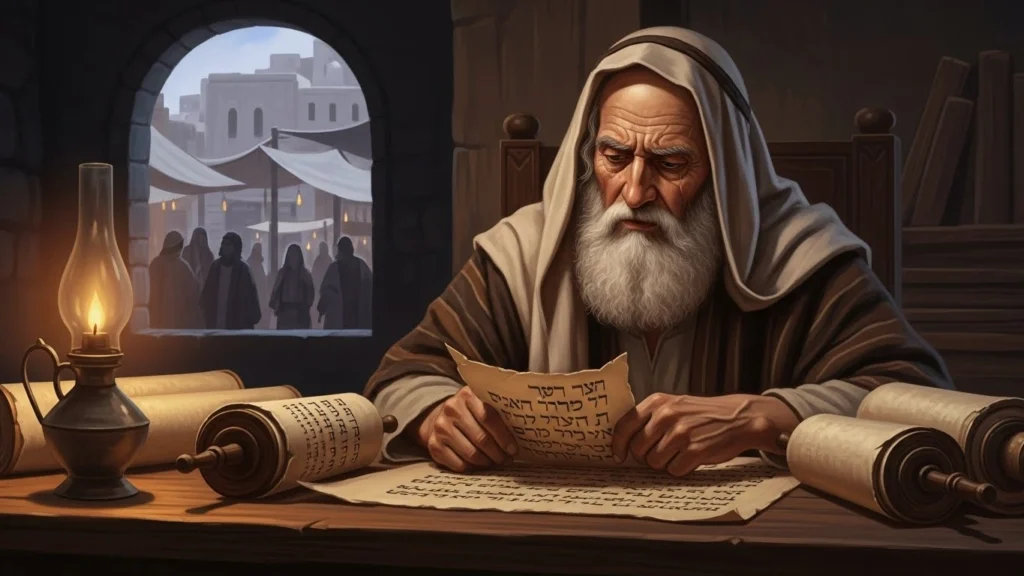
The Sadducees were a Jewish religious and political group active in ancient Judea from around 300 BCE until 70 CE. In simple terms, the Sadducees meaning refers to a powerful elite group that controlled the Temple in Jerusalem and held strict, conservative religious views.
Simple Definition
Sadducees were wealthy Jewish leaders and priests who:
Controlled Temple worship
Accepted only the written Torah (first five books of the Bible)
Rejected many beliefs held by other Jewish groups
Where Does the Name Come From?
Most scholars believe the word Sadducees comes from Zadok, a high priest during King Solomon’s reign. The Sadducees likely saw themselves as descendants or followers of Zadok’s priestly line, which gave them religious authority and status.
Historical Context
The Sadducees emerged during the Second Temple period, a time when Jewish society was divided into different religious groups. They were especially influential under Roman rule, often cooperating with Roman authorities to maintain power.
Core Beliefs of the Sadducees Meaning
To fully understand the Sadducees meaning, it’s important to know what set them apart theologically. Their beliefs were very different from groups like the Pharisees.
1. Only the Written Law Mattered
The Sadducees accepted only the written Torah (Genesis, Exodus, Leviticus, Numbers, Deuteronomy).
They rejected:
Oral traditions
Rabbinic interpretations
Later religious teachings
This made them extremely literal in how they read scripture.
2. No Belief in the Afterlife
One of the most famous aspects of Sadducees meaning is that they did not believe in:
Resurrection of the dead
Angels or demons
Heaven or hell
To them, religious reward and punishment happened only in this life.
3. Free Will Over Divine Control
Sadducees believed humans had full control over their actions. They rejected the idea that God controlled fate or destiny.
This belief fit well with their elite status—success was seen as earned, not divinely assigned.
Sadducees vs Pharisees: Key Differences
Many people first encounter the Sadducees in contrast to the Pharisees, especially in biblical texts.
Major Differences at a Glance
Sadducees
Temple-focused
Elite and wealthy
Literal interpretation of scripture
No afterlife belief
Pharisees
Community-focused
Middle-class teachers
Accepted oral law
Believed in resurrection and angels
This rivalry explains many debates found in ancient Jewish writings and the New Testament.
Role of the Sadducees Meaning in the Temple
The Sadducees meaning is closely tied to the Temple in Jerusalem. They controlled:
Temple rituals
Priesthood roles
Religious sacrifices
Because the Temple was the center of Jewish life, this gave them immense power.
Political Influence
Sadducees often worked with:
Roman governors
Local rulers
High councils like the Sanhedrin
Their willingness to cooperate with Rome helped them stay in control—but also made them unpopular with the general population.
Sadducees in the Bible
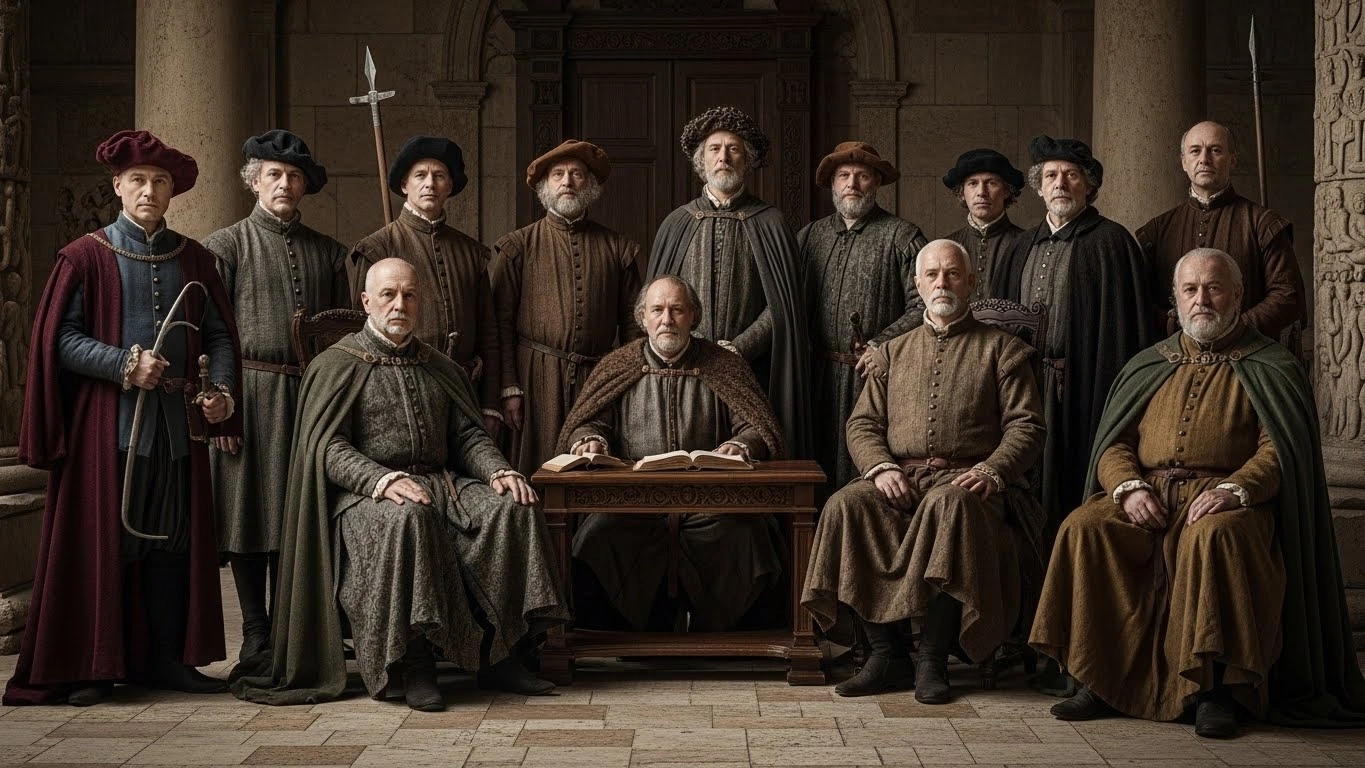
The Sadducees appear several times in the New Testament, usually in debates with Jesus.
Common Themes
Questioning resurrection
Challenging religious authority
Defending Temple traditions
One well-known story involves the Sadducees trying to trap Jesus with a question about marriage after resurrection—ironically, something they didn’t even believe in.
These passages highlight their rigid theology and political motivations.
Why Did the Sadducees Disappear?
One of the most searched questions related to Sadducees meaning is why they no longer exist.
The Fall of the Temple
In 70 CE, the Romans destroyed the Second Temple in Jerusalem.
This event was catastrophic for the Sadducees because:
Their authority depended on the Temple
Their religious role had no purpose without sacrifices
Their political alliances collapsed
No Adaptation
Unlike the Pharisees—whose teachings evolved into modern Rabbinic Judaism—the Sadducees did not adapt to life without the Temple.
As a result, they faded from history.
Common Mistakes & Misunderstandings
Many people misunderstand the Sadducees due to oversimplified explanations.
1. Thinking They Were the Same as Pharisees
This is the most common mistake. Their beliefs were fundamentally different.
2. Assuming They Represented All Jews
The Sadducees were a minority elite, not the general population.
3. Believing They Were Purely Religious
They were both religious and political, often prioritizing power and status.
Related Groups and Terms You Should Know
Understanding the Sadducees meaning becomes easier when you’re familiar with related terms.
Key Related Groups
Pharisees – Religious teachers and scholars
Essenes – Ascetic group, possibly linked to the Dead Sea Scrolls
Zealots – Revolutionary group opposed to Roman rule
Sanhedrin – Jewish governing council
These groups often disagreed sharply, shaping Jewish history and theology.
Why the Sadducees Still Matter Today
Even though the Sadducees disappeared nearly 2,000 years ago, their influence remains important.
Historical Impact
Help explain Jewish sectarian conflict
Clarify New Testament debates
Show how religion and politics can intertwine
Modern Lessons
Their story is often used as a lesson about:
Rigid belief systems
Power tied to institutions
Failure to adapt to change