
Remit Payment Example
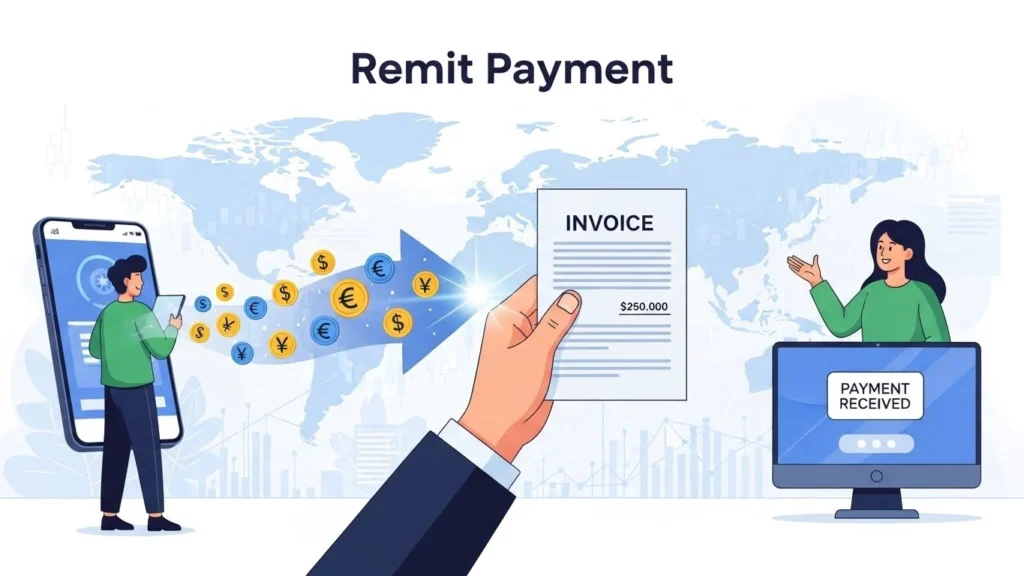
A remit payment example shows how someone sends money to another party, usually for bills, invoices, or debts. For instance, if you receive an invoice from a supplier, you might remit payment via bank transfer, check, or online payment platform. Example: “Please remit payment of $500 for your recent order via wire transfer by the due date.” Using examples helps clarify the practical use of remitting payments in real-life scenarios.
Remit Meaning
The word remit has multiple meanings depending on the context:
To send money – often to pay bills, debts, or invoices.
To cancel or reduce – such as remitting a penalty or fine.
To refer or entrust – passing a matter to someone else’s authority.
In general, remit conveys sending, transferring, or handing over something, either money or responsibility.
Remit Payment Meaning in Banking
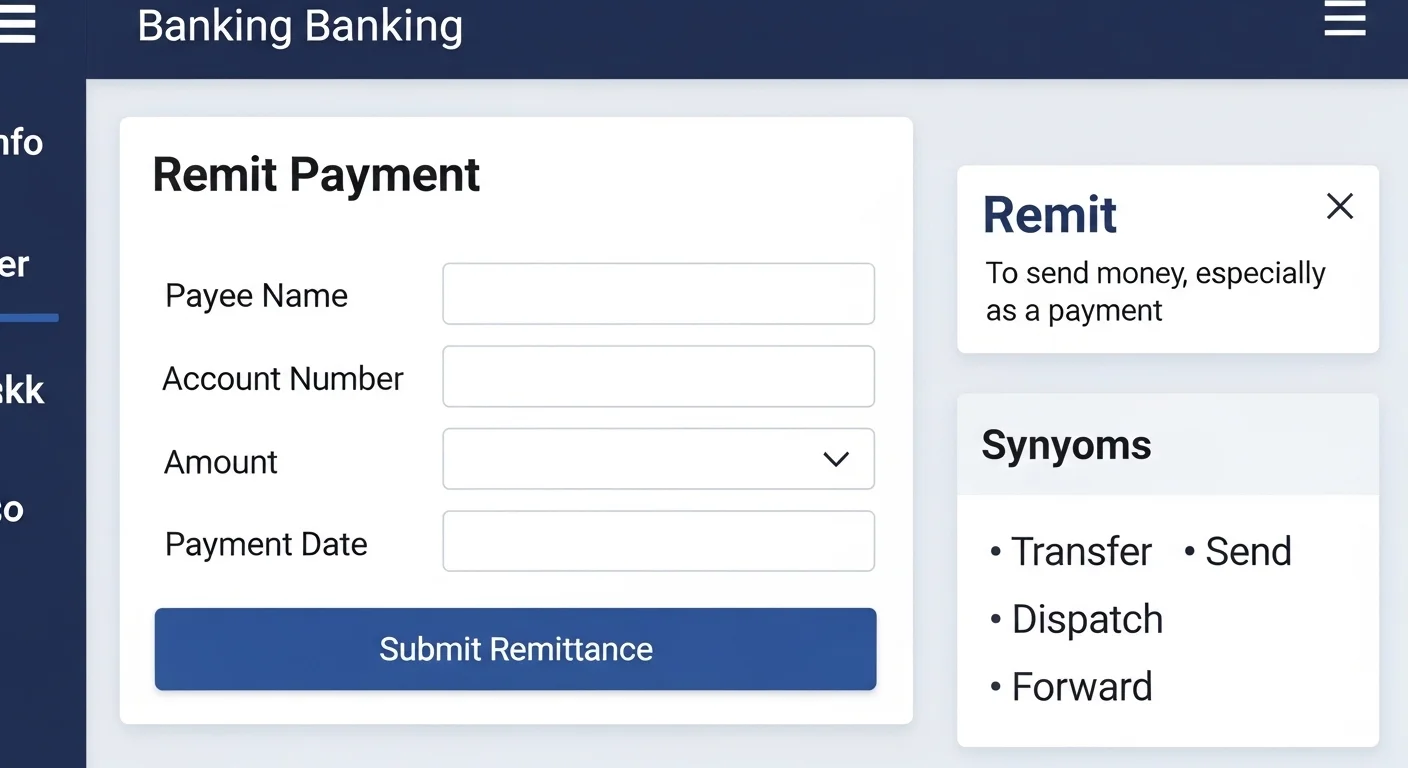
In banking, remit payment refers to the act of sending funds from one party to another, often across accounts or countries. It can include electronic transfers, wire payments, and online bank payments. Banks often provide remittance services that allow individuals and businesses to pay invoices, rent, or international transactions efficiently and securely.
Remit Fees Meaning
Remit fees are charges associated with sending or transferring money. Banks or payment services may apply these fees when you remit payments domestically or internationally. For example, sending $1,000 overseas might incur a $15 remit fee. Understanding remit fees is important for budgeting and selecting the most cost-effective payment method.
Remit Meaning in Business
In a business context, remit often refers to:
Sending payments to suppliers, contractors, or service providers.
Delegating responsibilities or authority within an organization.
Example: “The accounts team is authorized to remit payments to all approved vendors by the 15th of each month.” Businesses rely on remittance processes for smooth financial operations.
Please Remit Payment
The phrase “please remit payment” is a formal request often used in invoices, letters, or emails to ask the recipient to send money. It is commonly phrased like: “Please remit payment of $250 by the end of this month via bank transfer.” It is polite, professional, and widely recognized in business communication.
Remit Rent Meaning
To remit rent means to pay rent to a landlord or property manager. For example: “Tenants are required to remit rent by the 5th of each month.” This usage emphasizes the formal transfer of funds for rental obligations and is common in lease agreements.
Remit Synonym
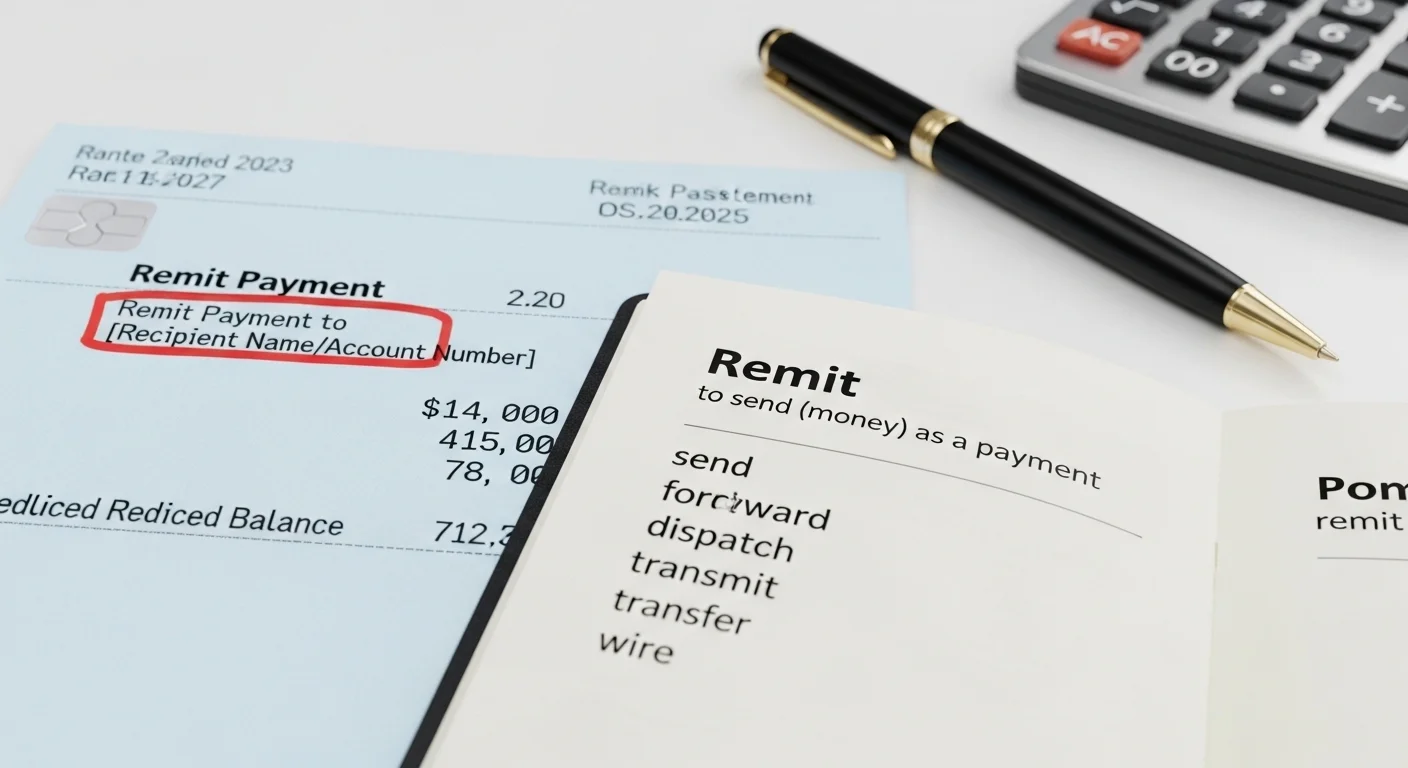
Some common synonyms for remit depending on context include:
Send (money)
Transfer
Pay
Forward
Submit
Dispatch
Hand over
These alternatives can be used interchangeably in business, banking, or formal communication.
What Does “Remit Payment” Mean in Chat or Text?
Remit payment means to send money from one person or organization to another.
That’s it — no hidden meaning, no slang trick.
When someone says “please remit payment,” they are simply asking you to pay, transfer funds, or send money owed.
Simple definition
Remit payment = send the payment
Where the term comes from
The word “remit” comes from Latin remittere, meaning to send back or return. Over time, it became common in:
Banking
Business invoices
Legal and financial documents
Unlike internet slang that comes from memes or social media, remit payment is a formal phrase that moved into everyday digital communication.
Does “remit payment” change meaning in chat?
Not really. The meaning stays the same, but the tone changes based on context:
In business or banking → formal and expected
In casual messages → can sound stiff or overly professional
So if someone texts you “remit payment,” they mean pay up, but probably in a professional setting.
How People Use “Remit Payment” in Real Conversations
In 2026, people don’t only see remit payment in official paperwork. It now appears across multiple platforms.
Common platforms where you’ll see it
Text messages (work-related)
Emails and invoices
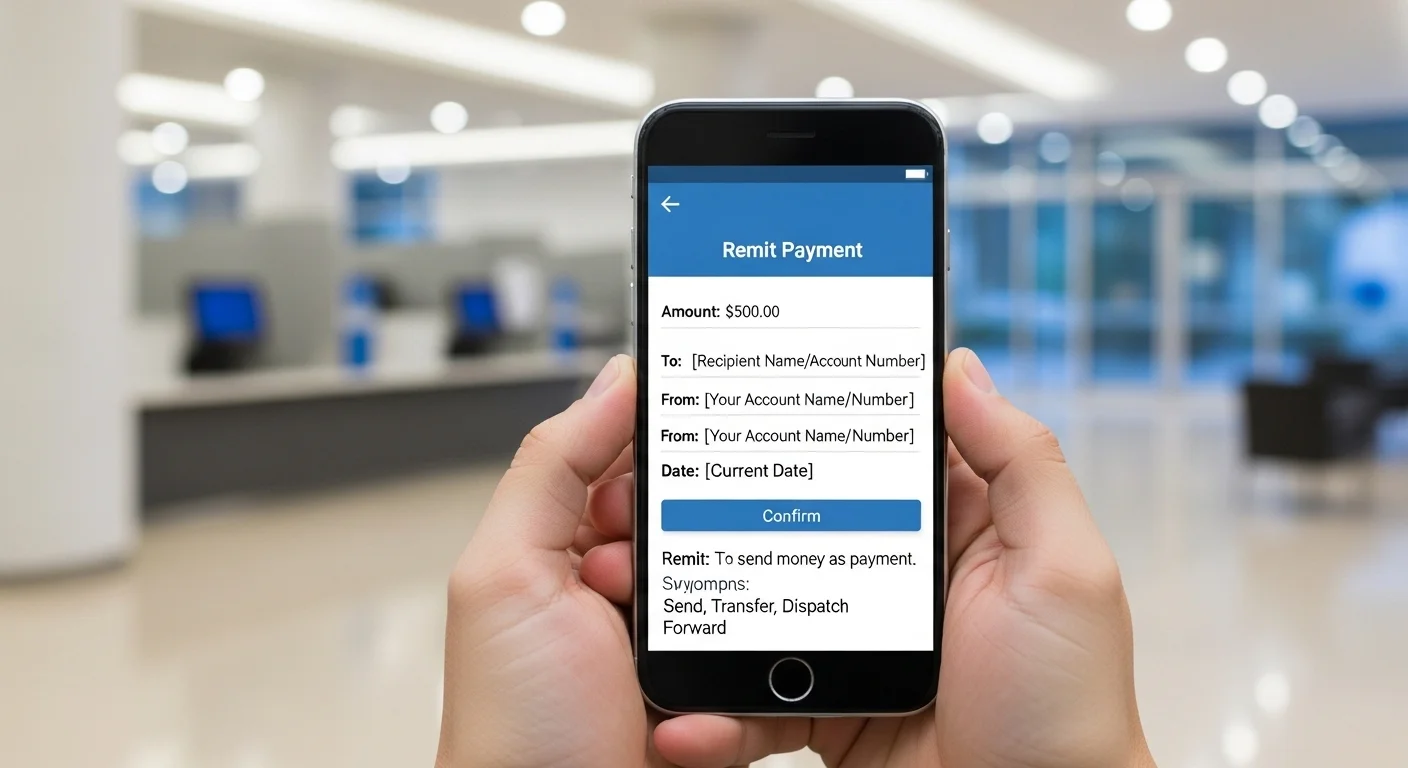
Online banking apps
Freelance platforms
International money transfer services
WhatsApp or Slack (professional chats)
Typical situations
People use remit payment when:
Requesting money owed
Confirming a transfer
Sending payment instructions
Following up on unpaid invoices
When it feels natural
Business emails
Freelance or client communication
Bank or payment service messages
When it feels awkward
Casual chats with friends
Social media comments
Dating app conversations
For example, texting a friend “Hey, please remit payment for the pizza” sounds robotic. Most people would say “send the money” instead.

Real-Life Examples of “Remit Payment” in Text Messages
Here’s how remit payment actually shows up in real messages — and what each one means.
Example 1
Message:
“Kindly remit payment by Friday to avoid late fees.”
Meaning:
Please send the money by Friday, or you’ll be charged extra.
Example 2
Message:
“We haven’t received your remit payment yet.”
Meaning:
Your payment hasn’t arrived.
Example 3
Message:
“Remit payment via bank transfer or mobile wallet.”
Meaning:
Send the money using a bank transfer or a mobile payment app.
Example 4
Message:
“Once you remit payment, your order will be processed.”
Meaning:
After you pay, we’ll continue with your order.
Example 5 (casual-professional mix)
Message:
“Hey, can you remit payment today? Need to close accounts.”
Meaning:
Please send the money today so I can finish accounting tasks.
Common Mistakes & Misunderstandings
Even though the phrase is simple, people often misunderstand remit payment meaning.
Mistake 1: Thinking it’s slang
Remit payment is not internet slang.
It’s a formal financial term that appears in digital chats.
Mistake 2: Thinking it means “receive money”
This is a big one.
❌ “I remitted payment from my boss” (wrong)
✅ “My boss remitted payment to me” (correct)
The person who remits is the one sending the money.
Mistake 3: Confusing it with “remittance”
While related, they’re not identical:
Remit payment → the action of sending money
Remittance → the money sent, often internationally
Mistake 4: Using it in casual conversation
Using remit payment with friends can sound cold or overly formal unless joking.
Mistake 5: Tone misinterpretation
Because it sounds official, remit payment can feel demanding or strict if not phrased politely.
Related Slangs & Abbreviations
While remit payment itself isn’t slang, you’ll often see it alongside or replaced by more casual terms.
Common alternatives
Pay up – informal, sometimes rude
Send the money – neutral and casual
Transfer funds – formal but softer
Settle payment – professional
Clear dues – common in business
Wire the money – traditional banking
Cash out – informal, app-based
In online chat
Instead of “remit payment,” people may say:
“Have you paid yet?”
“Did you send the funds?”
“Payment done?”
“Money transferred?”
These variations are especially common on messaging apps and social platforms.
Why Understanding “Remit Payment” Matters in 2026
Digital payments are everywhere now:
Freelancing
E-commerce
International work
Remote jobs
Subscription services
Misunderstanding remit payment meaning can cause:
Missed deadlines
Delayed orders
Awkward conversations
Financial penalties
Knowing exactly what it means helps you respond confidently instead of guessing.