
What is Organism in Biology
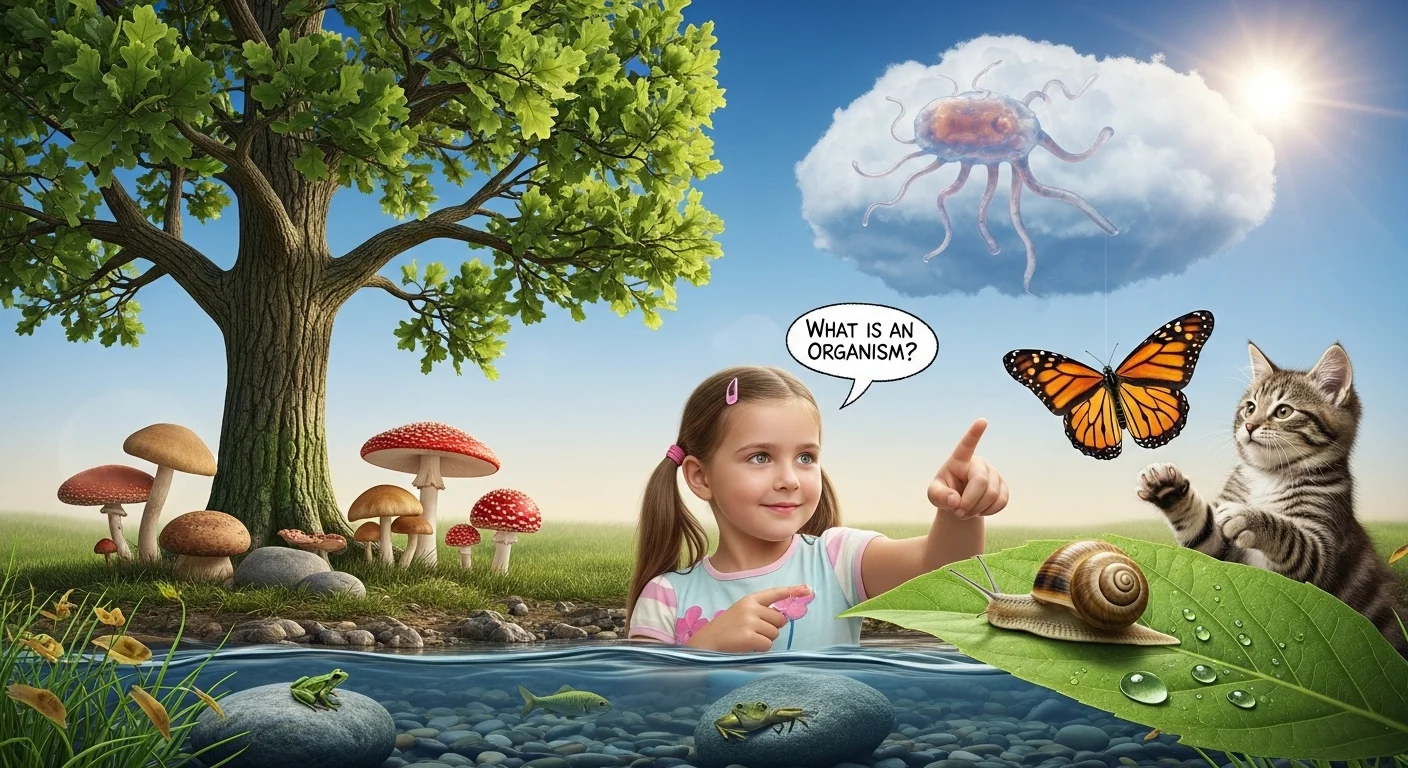
In biology, an organism is any living entity that can carry out life processes on its own. Organisms can be single-celled or multicellular and are capable of growth, reproduction, responding to stimuli, and maintaining homeostasis.
Example:
Humans, plants, bacteria, and fungi are all organisms.
Organism Meaning for Kids
For kids, an organism is any living thing. This includes people, animals, plants, and tiny creatures like bacteria. An organism can eat, grow, move, and reproduce.
Example:
A dog, a tree, and even a tiny ant are all organisms.
Human Organism Meaning
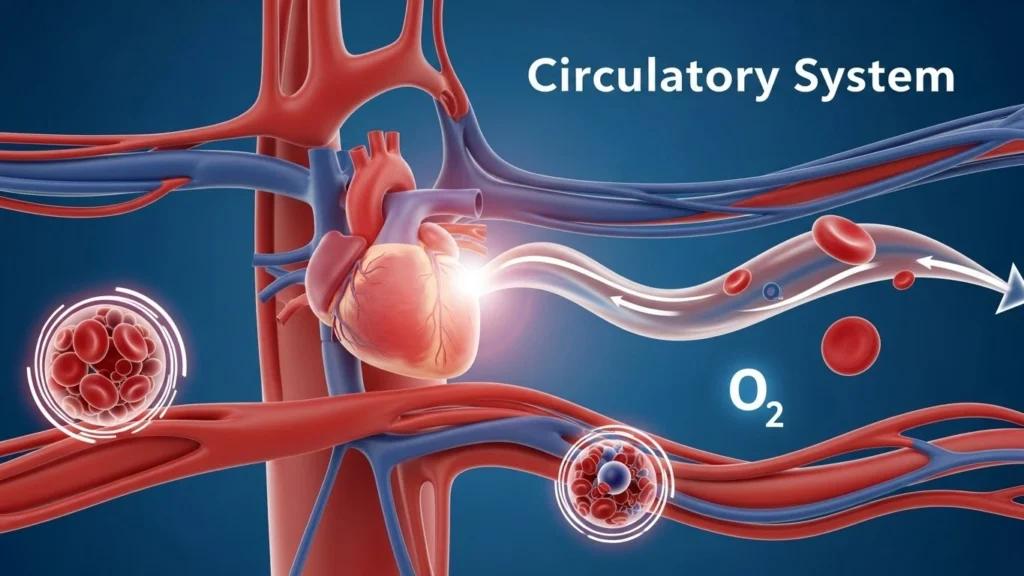
A human organism refers to a human being considered as a living system. The human body has multiple organ systems (like the digestive, circulatory, and nervous systems) that work together to keep the organism alive.
Example:
The human organism is made up of billions of cells organized into tissues and organs.
Organism Examples
Common examples of organisms include:
Animals: Lion, dog, whale
Plants: Rose, oak tree, algae
Microorganisms: Bacteria, amoeba, fungi
Humans: Every person is a human organism
Example:
Bacteria are single-celled organisms, while humans are multicellular organisms.
What is an Organism That Reproduces Sexually
An organism that reproduces sexually is one that needs two parents (male and female) to produce offspring. Sexual reproduction involves the fusion of gametes (sperm and egg) to form a new organism.
Example:
Humans, most animals, and many plants are organisms that reproduce sexually.
Organism Characteristics
All organisms share certain characteristics:
Growth: They grow in size and complexity
Reproduction: They can produce offspring
Metabolism: They use energy to live and function
Response to Stimuli: They react to their environment
Homeostasis: They maintain internal balance
Adaptation: They evolve over generations
Cellular Organization: Made of one or more cells
What is an Organism in Science
In science, an organism is any individual living entity studied in biology, ecology, and related fields. Scientists study organisms to understand life processes, behavior, and interaction with the environment.
Example:
Scientists study coral reef organisms to understand ecosystem health.
Types of Organisms
Organisms are classified into different types based on structure, reproduction, and cellular makeup:
Unicellular Organisms: Single-celled organisms like bacteria and amoeba
Multicellular Organisms: Composed of multiple cells, like humans and plants
Prokaryotes: Organisms without a nucleus (bacteria)
Eukaryotes: Organisms with a nucleus (animals, plants, fungi)
Autotrophs: Organisms that make their own food (plants, algae)
Heterotrophs: Organisms that depend on others for food (animals, fungi)
Example:
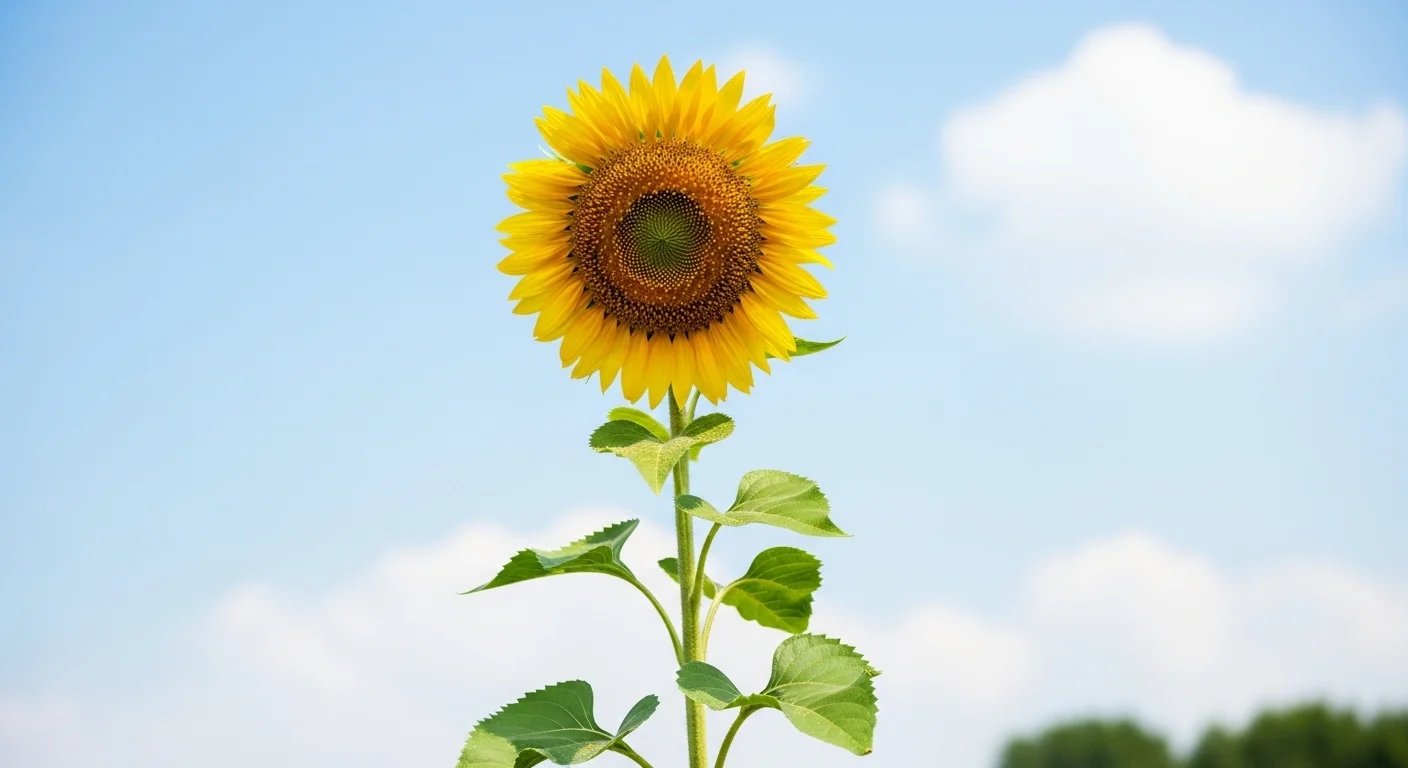
A sunflower is a multicellular autotrophic organism, while an amoeba is a unicellular heterotrophic organism.
What Does “Organism” Mean?
At its core, the organism meaning is:
An organism is any living thing that can carry out life processes on its own.
That’s it — simple and clear.
To be considered an organism, something must be alive and able to perform basic life functions such as:
Growing
Using energy
Responding to its environment
Reproducing (on its own or as a species)
What Counts as an Organism?
Many people think only animals are organisms, but that’s not true. An organism can be:
Animals (humans, dogs, birds, insects)
Plants (trees, flowers, grass)
Fungi (mushrooms, yeast)
Bacteria
Single-celled life forms (like amoebas)
So yes — you are an organism, and so is a tiny bacterium you can’t even see.
Simple Definition You Can Remember
If you want a one-line explanation:
An organism is any individual living thing.
Where Did the Word “Organism” Come From?
Understanding the origin helps make the meaning clearer.
The word organism comes from:
Greek word organon → meaning tool or instrument
Later Latin and scientific usage → referring to something organized and alive
Over time, scientists used organism to describe living things made up of organized parts working together — whether that’s a single cell or a complex body like a human.
How People Use “Organism” in Real Life
Although it’s a scientific word, organism shows up in many everyday situations.
Common Places You’ll See the Word “Organism”
School and college textbooks
Biology and science classes
Health and medical articles
Environmental discussions
Online science videos
Documentaries
Educational social media posts
Casual vs Scientific Use
In casual conversation, people often use it to mean:
A living being
A life form
Something alive in nature
In science, the word is more precise and refers to:
Any living system capable of life processes
Example:
Casual: “Humans are complex organisms.”
Scientific: “This organism reproduces through cell division.”
Real-Life Examples of “Organism” in Use
Let’s look at realistic examples so the organism meaning becomes crystal clear.
Example 1: Human Context
“The human body is a complex organism made of trillions of cells.”
Explanation:
Humans are organisms because they grow, use energy, respond to their environment, and reproduce.
Example 2: Plant Context
“A tree is an organism that produces its own food using sunlight.”
Explanation:
Plants are organisms even though they don’t move like animals.
Example 3: Microscopic Life
“Bacteria are single-celled organisms found almost everywhere.”
Explanation:
Even tiny life forms count as organisms if they are alive.
Example 4: Environmental Use
“Each organism plays a role in the ecosystem.”
Explanation:
This refers to every living thing in an environment, big or small.
Example 5: Classroom Use
“An organism must be able to carry out life processes.”
Explanation:
This is the standard scientific definition used in education.
Single-Celled vs Multi-Celled Organisms
One common point of confusion with organism meaning is whether something needs to be complex to count.
Single-Celled Organisms
These organisms are made of one cell, but that one cell does everything:
Eats
Grows
Reproduces
Examples:
Bacteria
Amoeba
Certain algae
Multi-Celled Organisms
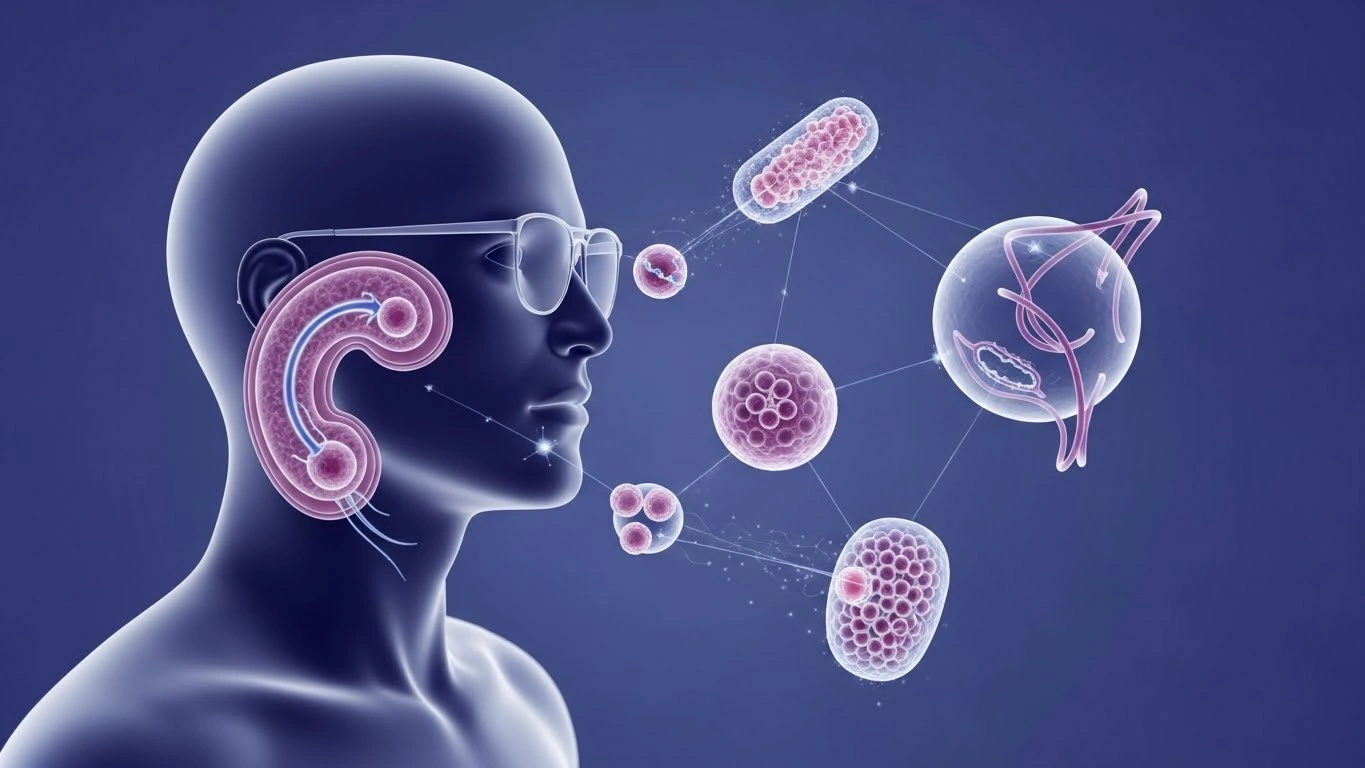
These organisms have many cells that work together.
Examples:
Humans
Animals
Plants
Most fungi
Both types are equally considered organisms.
Common Mistakes & Misunderstandings
Many people misunderstand the organism meaning because of how the word is used casually.
Mistake 1: Thinking Only Animals Are Organisms
Incorrect. Plants, fungi, and bacteria are also organisms.
Mistake 2: Confusing “Organism” With “Organ”
An organ is a body part (like the heart).
An organism is the entire living being.
Mistake 3: Thinking Viruses Are Organisms
This one is tricky.
Most scientists do not consider viruses organisms because:
They cannot reproduce on their own
They need a host cell to function
Mistake 4: Using “Organism” for Non-Living Things
Machines, robots, and AI are not organisms because they are not alive.
Organism vs Living Thing: Is There a Difference?
In everyday language, organism and living thing mean almost the same thing.
However:
Living thing is informal and broad
Organism is the scientific term
That’s why textbooks, exams, and scientific articles prefer organism.
Related Terms You Should Know
If you’re learning the organism meaning, these related words often appear nearby.
Cell
The smallest unit of life that makes up organisms.
Species
A group of similar organisms that can reproduce together.
Ecosystem
A community of organisms interacting with their environment.
Life Form
Another informal way of saying organism.
Biological Entity
A formal scientific phrase similar to organism.
These terms are often used together and make great internal linking opportunities in educational content.
Why Understanding “Organism” Matters
Knowing the organism meaning isn’t just for exams.
It helps you:
Understand biology and health topics
Follow environmental discussions
Read science articles with confidence
Avoid confusion in academic or educational settings
Even basic science literacy starts with understanding what an organism is.