
What Does Naturally Aspirated Mean in Engines?
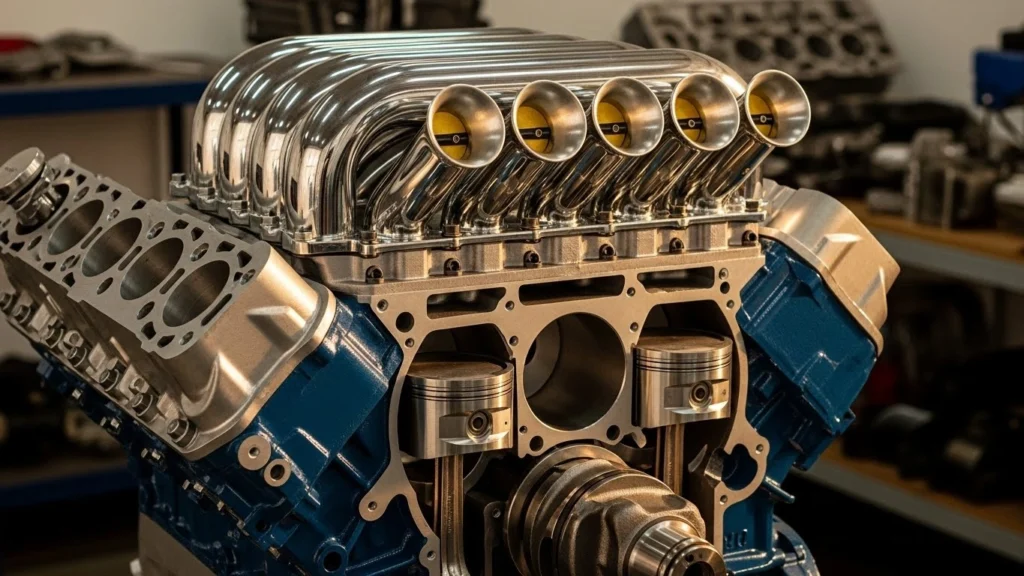
The naturally aspirated term refers to how an engine takes in air. In simple words, it means the engine pulls air in naturally, without any extra help from turbochargers or superchargers.
A naturally aspirated engine relies only on:
Atmospheric air pressure
Engine vacuum created by pistons
Standard intake systems
There’s no forced air being pushed into the engine. The air flows in on its own as the engine runs.
Simple definition
Naturally aspirated meaning: an engine that breathes air on its own, without forced induction.
Where the term came from
The phrase became popular as turbocharged and supercharged engines entered the mainstream. To clearly separate traditional engines from boosted ones, mechanics and car enthusiasts started using “naturally aspirated” as a category.
Before turbos were common, almost all engines were naturally aspirated—so no one needed the label. Today, with so many boosted engines on the road, the term helps describe how an engine is built and how it behaves.
How People Use Naturally Aspirated in Real Conversations
You’ll mostly hear this term in car-related conversations, but the way people use it can vary depending on context.
Common places you’ll see it
Car reviews and spec sheets
YouTube car comparisons
Reddit and automotive forums
Instagram captions and reels
Casual chats between car enthusiasts
How it’s usually said
When someone mentions naturally aspirated, they’re often talking about:
Engine reliability
Throttle response
Sound quality
Driving feel
For example, someone might say they prefer a naturally aspirated engine because it feels smoother or more predictable compared to turbocharged ones.
When it sounds natural vs awkward
It sounds natural when:
Talking about engine types
Comparing cars
Discussing performance or reliability
It sounds awkward when:
Used outside mechanical or automotive context
Thrown into conversation without explanation
Used like slang instead of a technical term
This isn’t internet slang in the traditional sense—it’s more of a technical phrase that has become casual through frequent use online.
Naturally Aspirated Meaning Compared to Turbocharged Engines
Understanding the naturally aspirated meaning becomes much clearer when you compare it to turbocharged engines.
Naturally aspirated engines
Air enters the engine naturally
Power delivery is smooth and linear
Less mechanical complexity
Often praised for sound and responsiveness
Turbocharged engines
Air is forced in using a turbo
More power from smaller engines
Can feel quicker but sometimes less predictable
More parts that can wear out
Neither option is “better” for everyone. Some drivers love the raw feel of naturally aspirated engines, while others prefer the efficiency and power of turbos.
Real-Life Examples of Naturally Aspirated Meaning in Text Messages
Here’s how the term might show up in real chats, explained clearly.
Example 1:
“Yeah, I chose that model because it’s naturally aspirated. Fewer things to break.”
Explanation:
The sender values simplicity and long-term reliability.
Example 2:
“This engine doesn’t have crazy torque, but it’s naturally aspirated and sounds amazing.”
Explanation:
They’re highlighting sound quality and smooth performance.
Example 3:
“I miss old cars. Most of them were naturally aspirated and felt more connected.”
Explanation:
This shows nostalgia for older engine designs.
These examples show that the term is often tied to driving experience, not just raw performance numbers.
Common Mistakes & Misunderstandings
Even though the phrase is common, people still misunderstand it.
Mistake 1: Thinking it means “slow”
A naturally aspirated engine isn’t automatically slow. Many high-performance cars use this design and deliver impressive power.
Mistake 2: Confusing it with fuel type
This term has nothing to do with petrol, diesel, or electric engines. It only describes how air enters the engine.
Mistake 3: Assuming it’s outdated
While turbos are popular, naturally aspirated engines are still used in modern cars for reliability, simplicity, and driving feel.
Mistake 4: Using it like slang
This isn’t casual slang like “lol” or “idk.” It’s a technical term that should be used in the right context.
Related Slangs & Automotive Terms
If you’re learning this term, these related words often show up nearby:
Turbocharged – Engine that forces air in using a turbo
Supercharged – Similar to turbo but belt-driven
Forced induction – General term for turbo and supercharger systems
Throttle response – How quickly the engine reacts
Horsepower – Measurement of engine power
These terms are often linked in car articles and forums, making them good internal linking opportunities for automotive content.
Why People Still Care About Naturally Aspirated Engines
Despite the rise of turbocharging, many drivers still prefer naturally aspirated engines for specific reasons:
Predictable power delivery
Strong engine sound
Lower maintenance complexity
Better long-term durability in some cases
For daily drivers, enthusiasts, and learners, understanding the naturally aspirated meaning helps decode car specs and opinions more confidently.