
Folx vs Folks
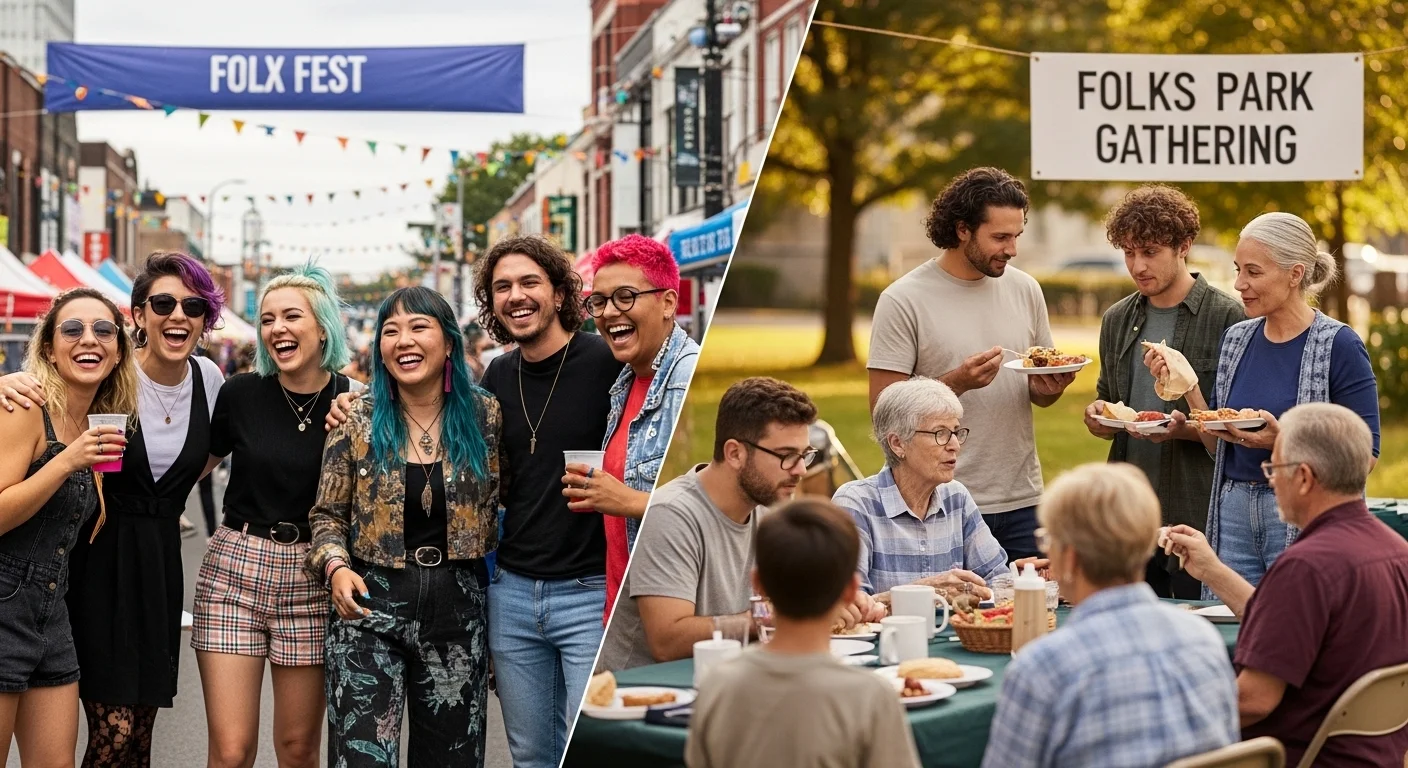
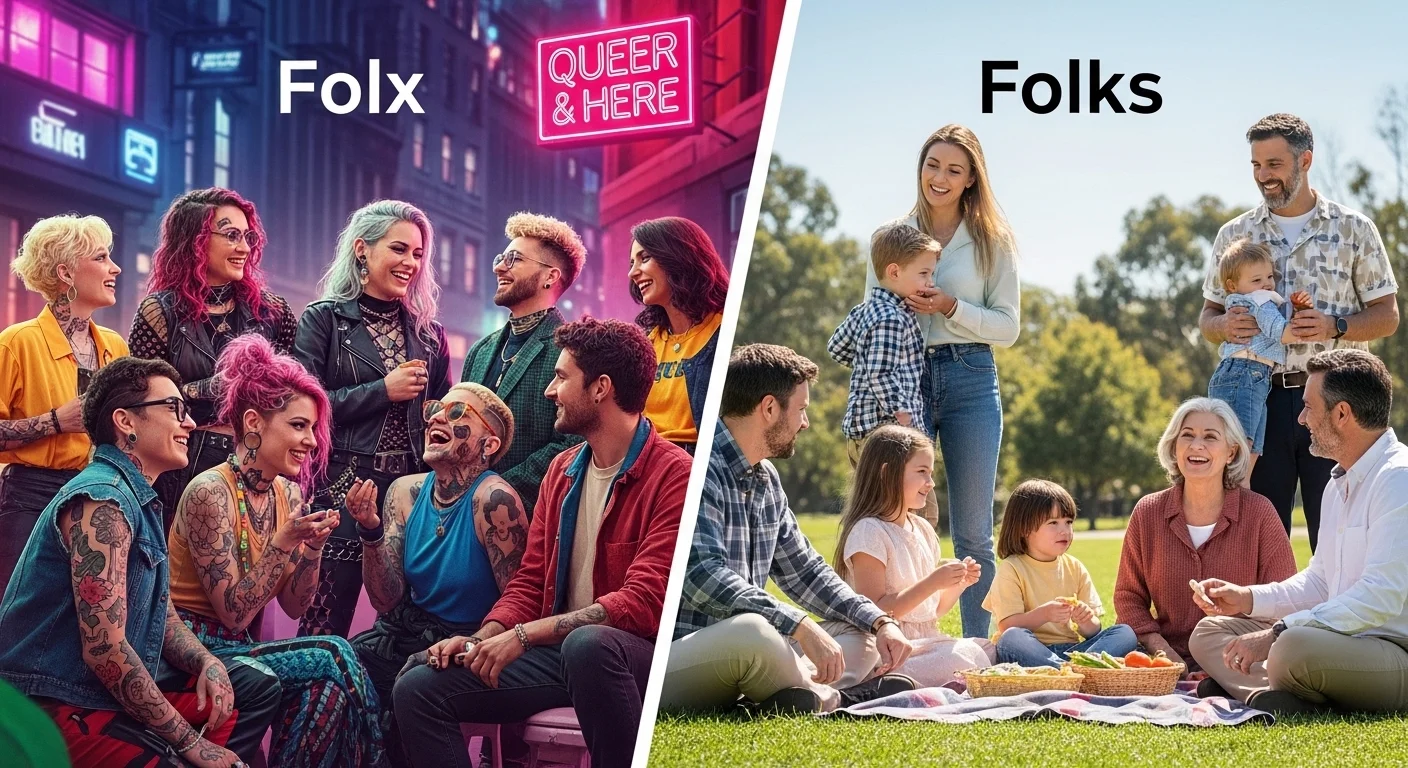
Folks is the traditional English word used to refer to people, friends, or family members. It is commonly used in casual conversation and writing.
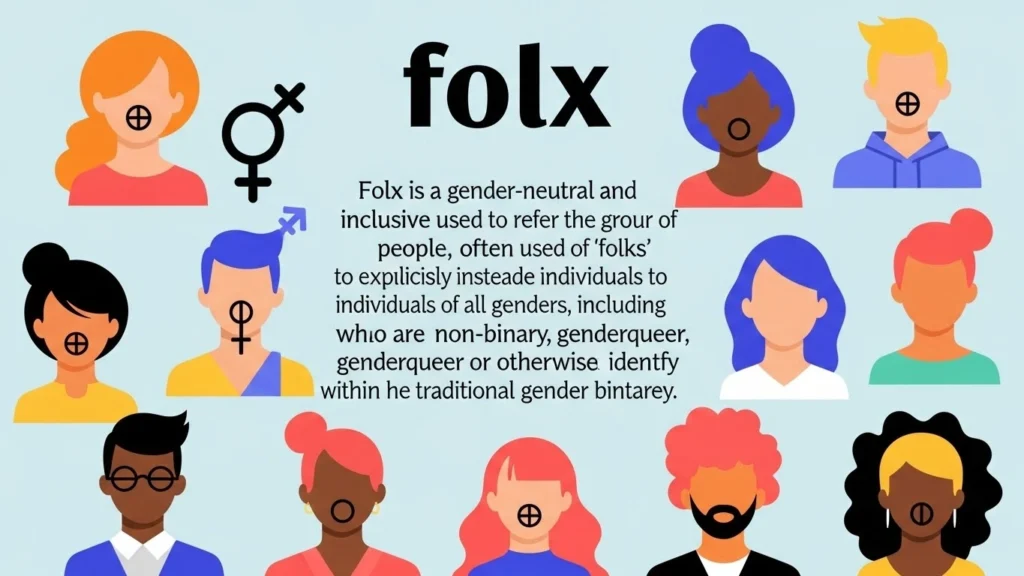
Folx, on the other hand, is a modern alternative spelling of “folks.” It is often used in inclusive communities to emphasize diversity and inclusivity, especially toward LGBTQ+ and marginalized groups.
Example:
Folks: “Hey folks, welcome to the meeting.”
Folx: “This event is open to all folx.”
Folx Meaning Slang
In slang usage, folx simply means people or a group of individuals, but it is used in a way that highlights inclusiveness. It signals that everyone is welcome regardless of gender identity, sexuality, race, or background.
It became popular in online communities and social activism spaces.
Example:
The workshop was designed for creative folx in the community.
Folx Meaning (Urban Dictionary)
According to popular online slang references like Urban Dictionary, folx is described as an inclusive spelling of “folks.” It is commonly used to show support for LGBTQ+ communities and marginalized groups.
The spelling with “x” is meant to indicate gender neutrality and inclusivity.
Example:
The support group is open to queer folx and allies.
Folx Therapist Meaning
A folx therapist usually refers to a therapist who specializes in providing inclusive and affirming care for LGBTQ+ individuals and marginalized communities.
Some therapists also use the word folx in their branding or communication to show that their services are welcoming and safe for diverse identities.
Example:
The counselor works mainly with LGBTQ+ folx seeking mental health support.
Folx Meaning Gender Neutral
The term folx is often used as a gender-neutral way to refer to people. While “folks” is already neutral, the spelling folx intentionally highlights inclusivity for nonbinary, transgender, and gender-diverse individuals.
It is frequently used in social media posts, community announcements, and inclusive events.
Example:
This program supports young folx from different backgrounds.
What Is Folx App
Folx can also refer to FOLX Health, a digital healthcare platform designed mainly for LGBTQ+ communities. The app provides services like:
Telehealth consultations
Gender-affirming care
Hormone therapy support
Sexual health services
It aims to provide accessible and inclusive healthcare for LGBTQ+ individuals.
Folx Pronunciation
The word folx is pronounced the same as “folks.”
Pronunciation:
/fohks/
Even though it is spelled differently, it sounds identical in speech.
Folx Origin
The spelling folx originated in online and activist communities during the 2010s. The use of “x” became common in inclusive language (similar to words like Latinx).
The goal was to create language that explicitly signals inclusion and support for marginalized identities, especially within LGBTQ+ communities.
Example:
Community organizers began using folx in event invitations to emphasize inclusivity.
What Does “Folx Meaning” Mean in Chat or Text?
At its core, folx is a gender-inclusive variation of the word “folks.” It’s used to refer to people collectively while intentionally including non-binary, transgender, or gender-nonconforming individuals.
Key points:
Folx = Folks, but inclusive.
Often used in progressive or online communities focused on diversity.
Can be seen in social media posts, event announcements, and casual chats.
Origins of “Folx”
The exact origin of folx isn’t pinned to a single date, but it started appearing in activist and queer spaces in the early 2010s. The spelling “x” instead of “ks” mirrors other inclusive language trends like “Latinx,” emphasizing gender inclusivity and acknowledging people outside the binary.
Quick history:
Early 2010s: Used in LGBTQ+ activist circles.
Mid-2010s: Spread to social media, Tumblr, and Twitter communities.
2020s: Became mainstream in online writing, chats, and newsletters.
How People Use “Folx Meaning” in Real Conversations
Unlike some slang terms that stay confined to DMs or memes, folx is used in texting, social media, and professional communications with inclusive intent.
Platforms where you’ll see folx:
Instagram & Twitter: Captions like “Shoutout to all my folx supporting this campaign.”
Discord & Forums: Communities addressing members inclusively, e.g., “Hey folx, check out the new channel.”
Event invites: “Folx interested in volunteering, please RSVP.”
Dating apps: Users may include it in bios to signal inclusivity.
When it’s appropriate vs. awkward:
Appropriate: Inclusive groups, casual online communities, activist circles.
Awkward: Formal business emails (unless your organization explicitly uses inclusive language), or texts with older audiences unfamiliar with the term.
Insider tip: Using folx signals that you’re aware of gender diversity, but avoid overusing it in casual DMs where “folks” is sufficient.
Real-Life Examples of “Folx Meaning” in Text Messages
Seeing examples in context makes it much easier to understand how folx works in conversation.
Group chat example:
Alex: “Morning folx! Who’s up for coffee?”
Explanation: Friendly greeting to a group, inclusive of all gender identities.Event invite example:
“Calling all folx interested in the beach cleanup this Saturday!”
Explanation: Public announcement inviting everyone, explicitly inclusive.Social media post:
“Thanks to all the folx who donated to the cause this month!”
Explanation: Shows gratitude while including diverse audiences.Casual Discord message:
“Folx, we’re starting the game night in 10 minutes.”
Explanation: Casual, online-community use.
Common Mistakes & Misunderstandings
Even though folx is simple, people sometimes get it wrong. Here’s what to watch out for:
Confusing folx with ASL abbreviations: Folx is not a signed abbreviation—it’s a written, inclusive word.
Using it in the wrong context: Avoid using it in formal business emails or with people unfamiliar with inclusive language.
Tone misinterpretation: Overusing it can seem performative if your audience doesn’t understand the inclusivity intent.
Pro tip: Think of folx as a friendly, conscious version of “folks.” Context is everything.
Related Slangs & Abbreviations
If you’re learning folx, you might also come across these similar terms:
Latinx: Gender-inclusive term for Latino/Latina.
BIPOC folx: Refers to Black, Indigenous, and People of Color inclusively.
Fam: Informal group term similar to “folks” but casual.
Y’all: Southern U.S. variation of “you all,” also group-inclusive.
These can be linked internally for readers exploring inclusive chat slang or modern text abbreviations.