


Cudgel Meaning in English
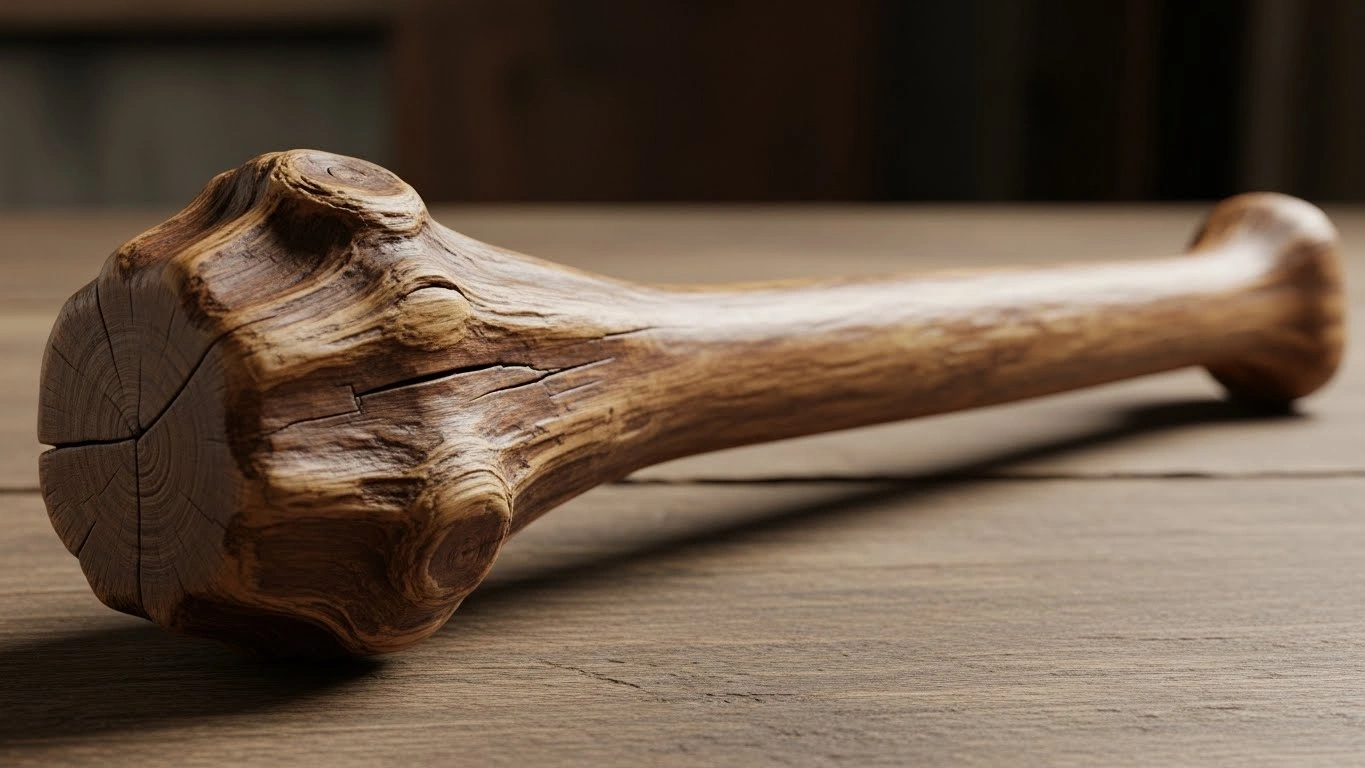
The word cudgel in English primarily means a short, thick stick used as a weapon. Historically, it was a heavy club carried for protection or combat.
However, cudgel is also commonly used in a figurative sense. In modern English, it can mean to strongly criticize, attack verbally, or defend something aggressively. For example:
“She took up the cudgel in defense of her colleague.”
The phrase “to take up the cudgels” means to start defending or supporting someone or something with strong arguments.
What Does Cudgel Mean in Politics
In politics, cudgel is usually used metaphorically. It refers to strong criticism, aggressive debate, or forceful defense of an issue or policy. Politicians or political groups may “take up the cudgel” against opponents, meaning they actively and forcefully argue against them.
For example:
“The opposition party took up the cudgel against the new tax reform.”
Here, cudgel symbolizes verbal attack rather than physical force. It represents strong political opposition or advocacy.
Cudgel Synonym
Common synonyms for cudgel depend on whether it is used literally or figuratively.
Literal synonyms (weapon meaning):
Club
Baton
Stick
Truncheon
Figurative synonyms (argument/attack meaning):
Criticize
Attack
Defend
Oppose
Challenge
Choosing the correct synonym depends on how the word is used in the sentence.
Cudgel Meaning Slang
In slang or informal language, cudgel is not widely used as modern slang. However, when it appears in casual speech, it usually keeps its figurative meaning — to strongly criticize or verbally attack someone.
For example:
“He really cudgelled the idea in the meeting,” meaning he harshly criticized it.
Because the word sounds formal or old-fashioned, it is more common in political commentary, journalism, or literary writing rather than everyday slang.
Adroit Cudgel Meaning
The phrase adroit cudgel combines two words:
Adroit means skillful, clever, or tactful.
Cudgel refers to forceful argument or criticism (figuratively).
Together, adroit cudgel suggests someone who is skillfully using strong arguments or criticism. It describes a person who attacks or defends a position in a clever and effective way.
For example:
“She used an adroit cudgel to dismantle her opponent’s claims.”
This implies strategic and intelligent argument rather than random criticism.
Cudgel Pronunciation
Cudgel is pronounced as:
KUH-juhl
Phonetic spelling: /ˈkʌdʒ.əl/
The stress is on the first syllable: CUD-gel.
Cudgel Meaning in Chinese
In Chinese, the translation of cudgel depends on context:
Literal meaning (club or stick weapon): 短棍 (duǎn gùn) or 棍棒 (gùn bàng)
Figurative meaning (strong criticism or attack): 抨击 (pēng jī) or 猛烈批评 (měng liè pī píng)
For example:
“He took up the cudgel against corruption” can be translated as:
他猛烈抨击腐败问题。
Irish Cudgel Meaning

In Irish history, a cudgel often refers to a traditional wooden weapon known as a shillelagh. A Shillelagh is a heavy wooden walking stick, usually made from blackthorn wood, historically used in Ireland for self-defense and fighting.
The Irish cudgel became culturally symbolic and was sometimes associated with traditional stick-fighting practices. Today, it is more commonly viewed as a cultural artifact or decorative walking stick rather than a weapon.
In this context, “Irish cudgel” refers specifically to this traditional wooden club used in Ireland’s past.
What Does Cudgel Mean?
The cudgel meaning has two main forms: literal and figurative.
Literal definition
A cudgel is a short, thick stick used as a weapon, typically for hitting someone.
Figurative definition
Figuratively, cudgel can mean:
Using mental effort or force to solve a problem
Struggling to deal with a difficult situation
In both uses, the concept of striking, force, or effort is central.
Origin and Historical Background
The word cudgel has roots in English dating back to the 15th century.
Historical use
Cudgels were common weapons for self-defense in medieval and early modern Europe.
They were simple, effective, and easy to carry.
Linguistic roots
The term may have been influenced by Old French or Middle English words for clubs or sticks. Over time, it transitioned into figurative usage in literature and conversation.
Cudgel Meaning in Literature and Writing
In literature, the cudgel meaning is often figurative.
Examples of figurative usage
“He had to cudgel his brain to remember the password.”
Meaning: He had to force himself to think hard.“They cudgel their way through the problem.”
Meaning: They struggled or used effort to solve the issue.
Writers use cudgel metaphorically to convey effort, force, or mental exertion.
How People Use Cudgel Meaning in Real Conversations
Today, cudgel is rarely used in casual conversation but can appear in formal writing, blogs, or educational content.
Literal usage
“The guard picked up a cudgel for protection.”
“Villagers carried cudgels to defend themselves.”

Figurative usage
“I had to cudgel my memory to recall the details.”
“She cudgeled her ideas together for the project.”
In modern usage, figurative meanings are more common in writing than in speech.
Real-Life Examples of Cudgel Meaning in Sentences
These examples show how the cudgel meaning works in context.
Example 1:
“The knight wielded a cudgel during the fight.”
Explanation: Literal—refers to a weapon.
Example 2:
“He had to cudgel his brain to finish the puzzle.”
Explanation: Figurative—refers to mental effort.
Example 3:
“Farmers once carried cudgels for protection against wild animals.”
Explanation: Literal—historical use.
Example 4:
“She cudgeled together an excuse for being late.”
Explanation: Figurative—refers to creating something with effort.
Common Mistakes & Misunderstandings
Even though cudgel is straightforward, people often misinterpret it.
Mistake 1: Thinking it only refers to weapons
Cudgel also has a figurative meaning related to effort and struggle.
Mistake 2: Using cudgel casually in speech
Because it’s somewhat old-fashioned, using cudgel in conversation can sound formal or literary.
Mistake 3: Confusing cudgel with modern clubs
Modern clubs like baseball bats are different from a traditional cudgel, which is short and thick.
Related Words and Terms
Understanding similar words helps clarify the cudgel meaning.
Club – A general term for a stick-like weapon
Bludgeon – A heavy object used to hit
Bat – Sports or self-defense object
Wield – To handle or use effectively, often with force
Figuratively, cudgel is closely related to mental effort and problem-solving phrases.
Why Cudgel Still Matters Today
Even in 2026, the cudgel meaning remains useful for:
Understanding literature and historical texts
Expanding vocabulary
Recognizing figurative language in writing and conversation
While it’s not a common word in daily speech, cudgel enriches language and helps describe effort, force, or struggle vividly.