

What Does “Subsequently Meaning” Mean in Chat or Text?
At its core, “subsequently” is an adverb that means “afterward” or “later”. It signals that something happens following a previous event.
Formal meaning: Often used in emails, reports, or academic writing. Example: “The team submitted the report and subsequently received approval from management.”
Casual meaning in chats or texts: It can appear in storytelling, explaining sequences of events, or when someone wants to sound clear and slightly formal. Example: “I missed the bus, and subsequently, I was late to class.”
Brief Origin
The word comes from Latin “subsequi”, meaning “to follow closely”. In English, it’s been used since the 15th century to describe a sequence of events. Online, it’s not as trendy as “later” or “after that,” but it’s sometimes dropped into messages when someone wants to be precise or humorous by overcomplicating a simple story.
How People Use “Subsequently Meaning” in Real Conversations
Platforms:
Text messages (rare, but for storytelling)
Emails (especially professional)
Instagram captions or LinkedIn posts (formal context)
Discord or forums (sometimes jokingly for dramatic effect)
When it’s appropriate:
Explaining a sequence clearly
Sharing a funny or serious story with chronological order
Writing semi-formal content in professional chats
When it can feel awkward:
Overuse in casual texting (“I went to the store and subsequently bought milk” can feel stiff)
Using it instead of natural phrases like “then” or “after that” in memes or light conversation
Tip: In casual chats, you can replace subsequently with simpler phrases like “then,” “after that,” or “later on” for smoother reading.
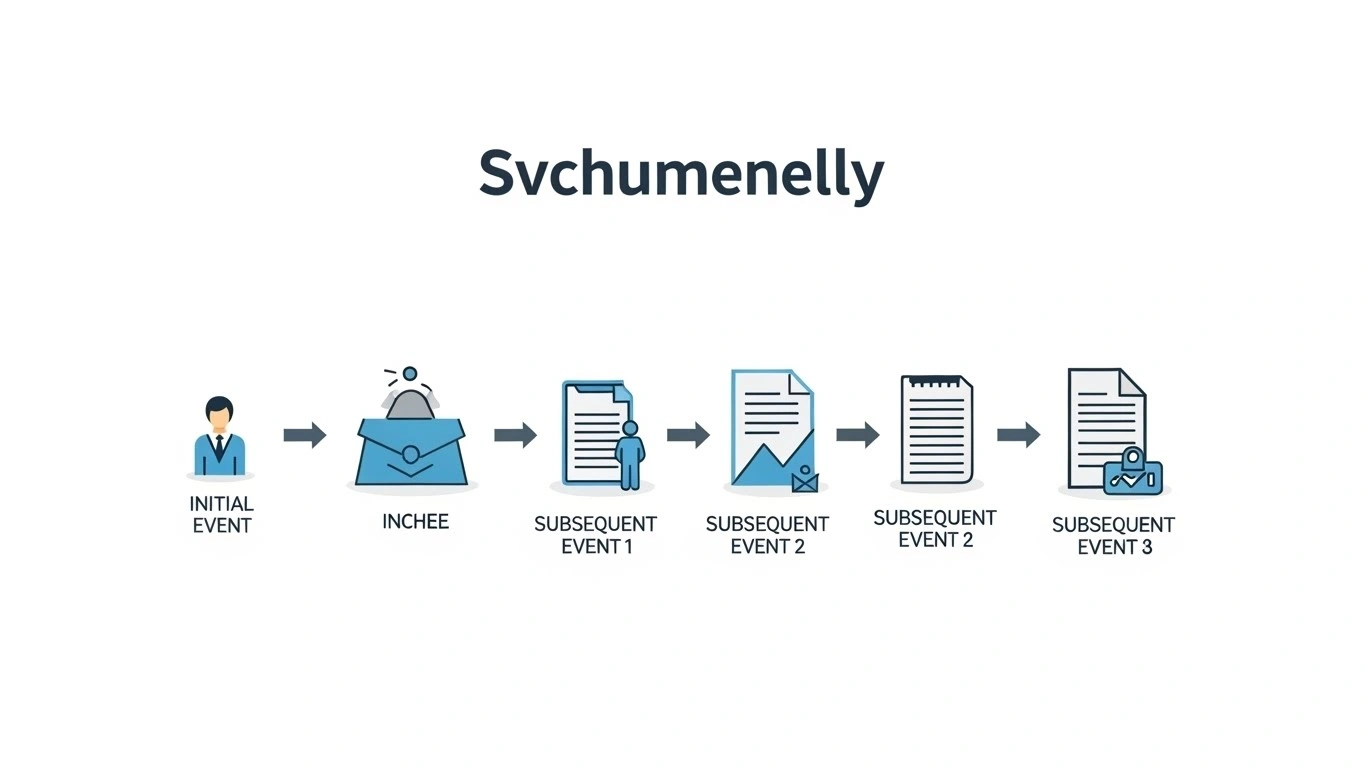
Real-Life Examples of “Subsequently Meaning” in Text Messages
Here are some short, relatable examples showing how subsequently can appear in everyday texts:
Storytelling
“I forgot my homework at home and subsequently got a warning from my teacher.”
Explains what happened next in sequence.
Casual joke
“I tried cooking pasta without water and subsequently learned why boiling is important.”
Makes a funny sequence using exaggeration.
Professional chat
“We completed the project and subsequently updated the client.”
Signals a proper sequence in work-related messages.
Group chat drama
“He ignored my message, and subsequently, I stopped replying.”
Shows cause-and-effect in personal interactions.
Common Mistakes & Misunderstandings
Even though subsequently is simple, people often misuse it:
Confusing it with “subsequent”
Correct: “The meeting was canceled, and subsequently, the report was delayed.”
Incorrect: “The meeting was canceled, and subsequent, the report was delayed.”
Using it in casual texts unnecessarily
Overly formal: “I ate breakfast and subsequently embarked on a journey to the grocery store.”
Better casual: “I ate breakfast and then went to the grocery store.”
Tone misinterpretations
In chat, “subsequently” can come off as sarcastic or pretentious if used too much.
Related Slangs & Abbreviations
Even though subsequently is a formal word, it’s connected to other ways people talk about sequences online:
Then – Simple and casual: “I went to the shop, then I came home.”
After that – Conversational and flexible: “We had lunch, after that we watched a movie.”
Later – Most casual: “I’ll call you later.”
Eventually – Suggests something happened after a delay: “I eventually finished my assignment.”
These alternatives can be linked internally in blog posts about English vocabulary, texting language, or grammar guides.