
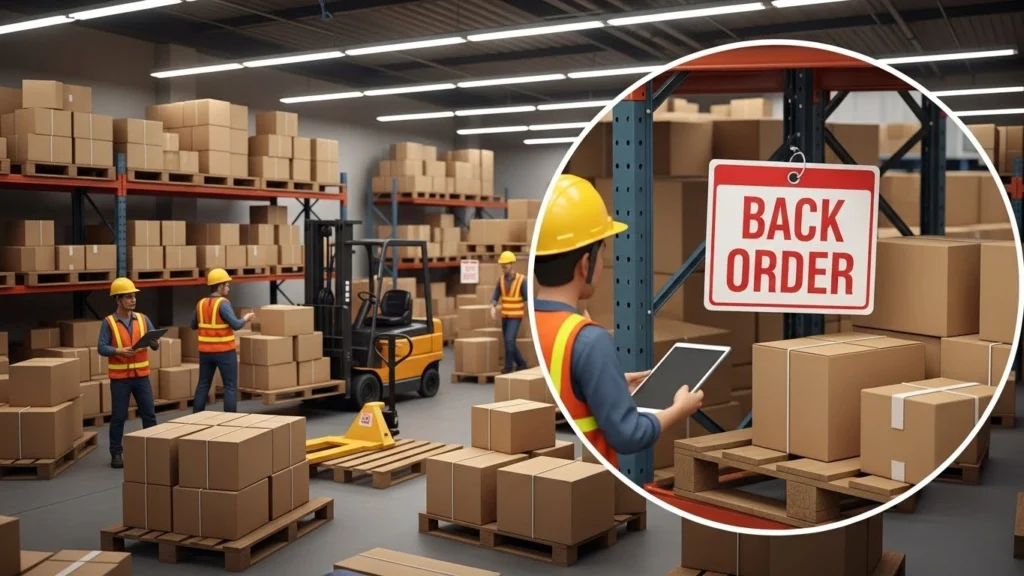
What Does “Back Order Meaning” Mean?
A back order means a product is currently out of stock, but customers can still place an order for it.
In simple terms:
Back order = not available right now
The seller will ship it later, once it’s restocked
Back Order Meaning in Simple English
Back order means you can order the item now, but you’ll receive it later.
This usually happens when:
Demand is high
Supply is delayed
The product temporarily runs out
Example:
“The phone is on back order and will ship next month.”
Back Order Meaning in Shopping and Online Orders
This is the most common place people see the term back order.
What Happens When an Item Is on Back Order?
When you place a back order:
Your order is accepted
Payment may be charged immediately or later
Shipping happens once the item is available
Online stores often show:
“Back ordered”
“Ships in 2–4 weeks”
“Currently unavailable, available soon”
Is Back Order the Same as Out of Stock?
Not exactly.
Out of stock – You can’t order the item
Back order – You can order it, but delivery is delayed
This difference is important for shoppers.
Back Order Meaning in Business and Retail
In business, back orders are part of inventory management.
Why Do Back Orders Happen?
Back orders happen due to:
High customer demand
Manufacturing delays
Supply chain issues
Seasonal shortages
Unexpected sales spikes
Retailers often allow back orders to:
Keep sales flowing
Reserve customer interest
Avoid losing customers to competitors
How People Use “Back Order Meaning” in Real Conversations
Back order is commonly used in customer service and shopping-related discussions.
Where You’ll Hear “Back Order”
Online shopping websites
Customer support emails
Order confirmation messages
Retail stores
Supplier conversations
Business reports
How It Sounds in Daily Speech
Examples:
“My shoes are on back order.”
“That item won’t ship yet — it’s back ordered.”
“They put my order on back order.”
The tone is usually neutral and informational.
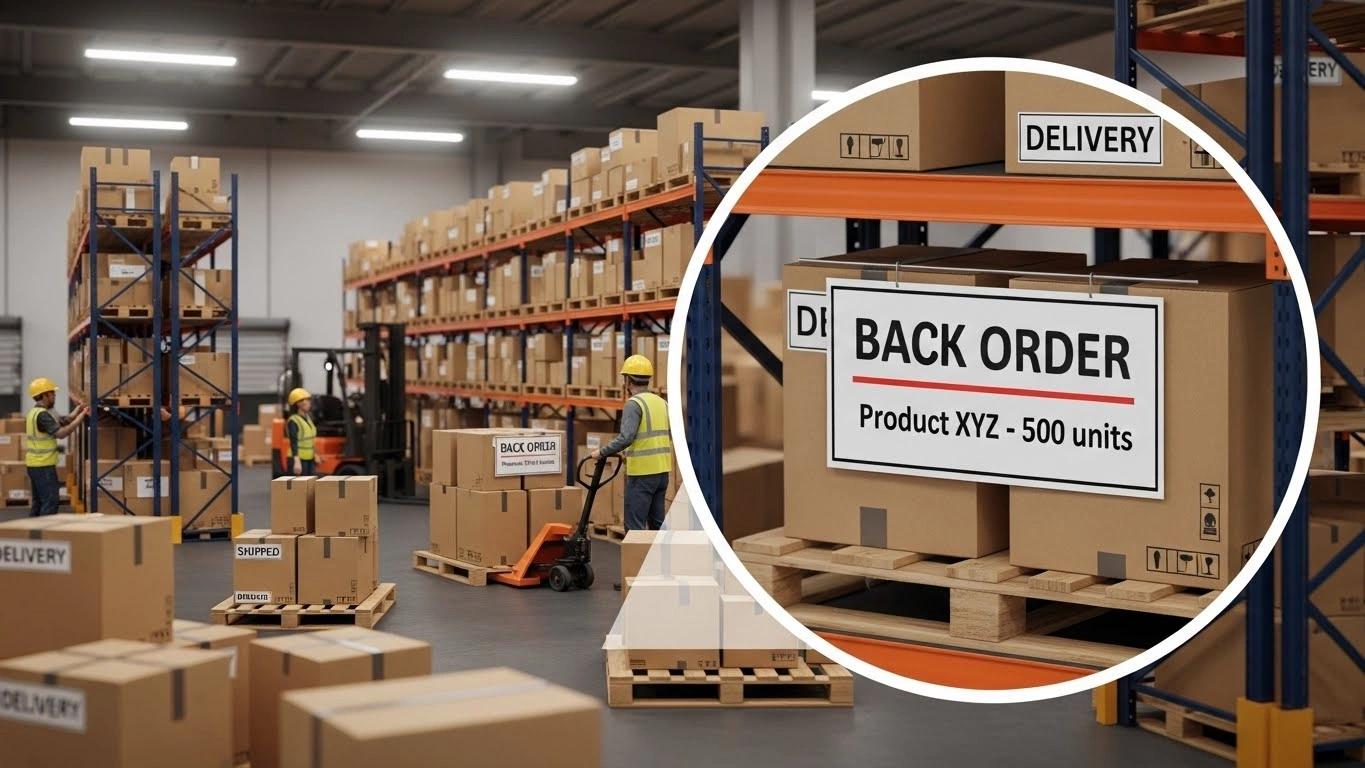
Real-Life Examples of “Back Order Meaning”
Examples help clarify the back order meaning.
Example 1: Online Shopping
Message:
“Your item is currently on back order and will ship in two weeks.”
Explanation:
The product isn’t in stock yet but will be sent later.
Example 2: Retail Store
Text or speech:
“We can place it on back order if you don’t mind waiting.”
Explanation:
The store allows the customer to order in advance.
Example 3: Electronics Purchase
Message:
“Due to high demand, this laptop is on back order.”
Explanation:
Many people bought it, causing a shortage.
Example 4: Business Inventory
Text:
“We have several back orders to fulfill once stock arrives.”
Explanation:
Orders are waiting to be completed.
Example 5: Customer Frustration
Text:
“I didn’t know it was back ordered — delivery is delayed.”
Explanation:
The customer misunderstood the delivery timeline.
Common Mistakes and Misunderstandings
Back order is often misunderstood by shoppers.
Thinking Back Order Means Cancelled
Mistake:
Assuming the order won’t arrive
Reality:
Back orders are usually fulfilled once stock returns
Expecting Immediate Shipping
Mistake:
Ordering without checking delivery time
Tip:
Always read the estimated shipping date
Confusing Back Order With Pre-Order
Mistake:
Treating them as the same
Difference:
Pre-order – Product not released yet
Back order – Product released but temporarily out of stock
Ignoring Back Order Notifications
Mistake:
Missing emails or updates
Result:
Confusion about delays or refunds
Related Terms and Order Statuses
Understanding related terms helps make sense of back order meaning.
Common Related Terms
Out of stock – Item unavailable to order
Pre-order – Order before release
Delayed shipment – Shipping pushed back
Pending order – Order not processed yet
Restock – Adding inventory back
These terms often appear together in online shopping.
Is Ordering a Back Order a Good Idea?
It depends on your situation.
When Back Orders Make Sense
The item is rare or popular
You’re not in a hurry
You trust the seller
When to Avoid Back Orders
You need the item urgently
Delivery date is unclear
The seller has poor communication
Always weigh timing and reliability.