

What Does “Fugly Meaning” Mean in Chat or Text?
Fugly is a slang term that combines the words “f*ing”** and “ugly”. Essentially, it’s a stronger, more intense way to describe something or someone as unattractive. While the root words are simple, the tone can range from humorous teasing to mean-spirited criticism depending on context.
Literal meaning: Extremely ugly or unattractive.
Casual usage: Often playful, sarcastic, or ironic among friends.
Serious usage: Can be insulting if used with strangers or in sensitive contexts.
Origin:
The term likely emerged in the early 2000s in online forums and chat rooms as internet slang. Over time, it spread to texting, social media, and pop culture, appearing in memes, captions, and even music lyrics. Its informal nature makes it popular among younger audiences who enjoy exaggeration for comedic effect.
Context matters:
Friendly teasing: “That selfie is so fugly—but I still love it!”
Insulting: “Your shoes are fugly.”
Hyperbole in memes: “This pizza is fugly… but tastes amazing.”
How People Use “Fugly Meaning” in Real Conversations
Platforms where you’ll see “fugly”:
Texting: Often between close friends joking about looks or things.
Instagram & TikTok comments: Used humorously in memes or posts.
Snapchat & Discord: Casual slang for playful roasts.
Dating apps: Rarely—can be risky if tone isn’t clear.
Forums & Reddit threads: Describes things, outfits, or designs perceived as unattractive.
When it’s appropriate vs. awkward:
Appropriate: With friends who understand your humor, in memes, or when exaggerating.
Awkward: Using it with strangers, coworkers, or in serious discussions—risk of sounding rude or offensive.
Tips from real chat culture:
Add context or emojis (in platforms that support them) to show joking intent.
Pair with humor to soften the insult: “That haircut is fugly… but rockin’ it anyway.”
Avoid in sensitive conversations about body image.
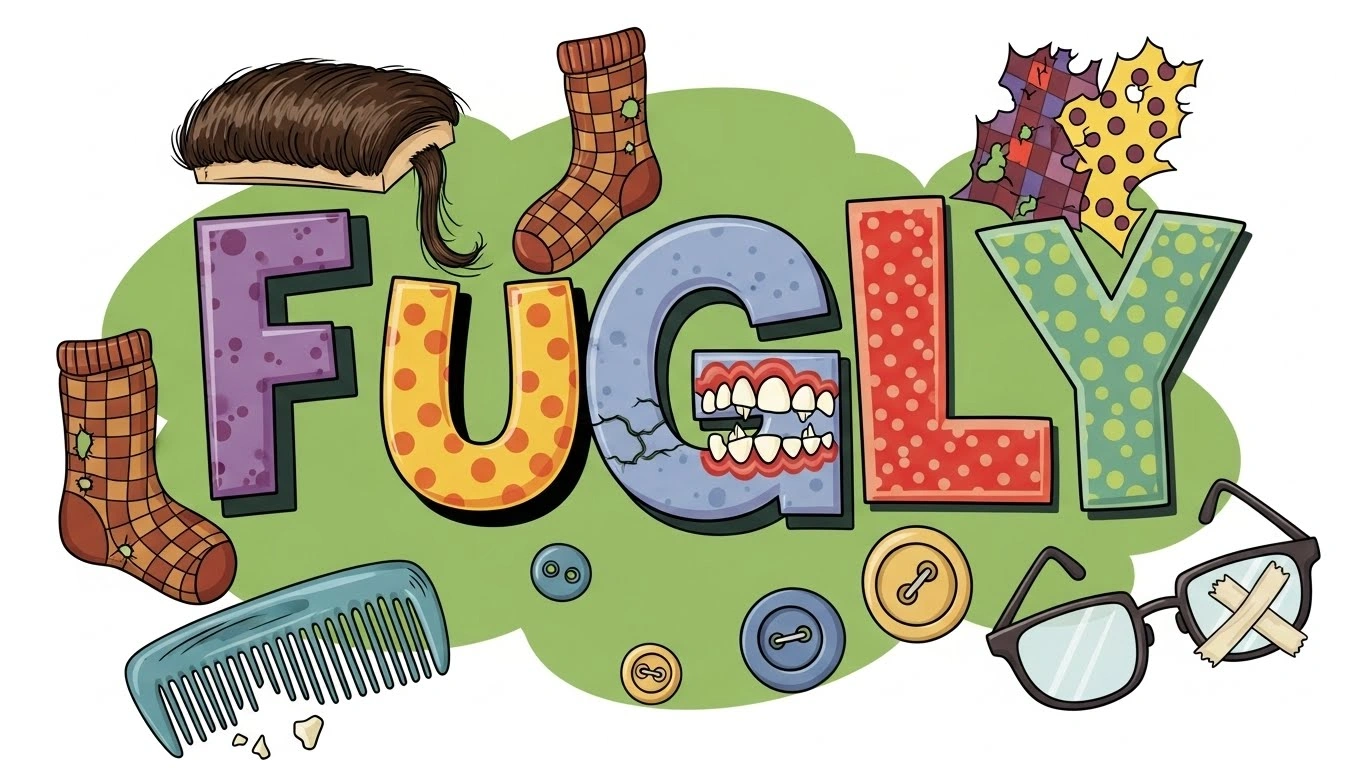
Real-Life Examples of “fugly meaning” in Text Messages
Seeing fugly in action makes it easier to understand:
Friendly roast with a friend:
Alex: “Check out my new shoes!”
Jamie: “OMG… those are fugly but kind of awesome.”
(Explanation: playful teasing, not serious insult.)
Describing something ugly online:
“That filter on your selfie makes you look fugly lol”
(Explanation: exaggeration for humor.)
Meme commentary:
“This drawing is fugly but I can’t stop laughing”
(Explanation: combines humor and critique.)
Cautionary tone:
“Don’t wear that to the party… fugly alert!”
(Explanation: joking warning to a close friend.)
Common Mistakes & Misunderstandings
Even slang-savvy users sometimes misuse fugly:
Confusing with American Sign Language: “Fugly” is not an ASL term; it’s purely English internet slang.
Wrong context: Using it in professional emails or serious messages can offend.
Tone misinterpretations: Texts lack vocal cues; what’s funny in person can read as rude online.
Overuse: Calling everything “fugly” may make your speech sound negative or mean-spirited.
Pro tip: If you’re unsure whether it’s appropriate, avoid using it or frame it clearly as a joke.
Related Slangs & Abbreviations
Similar chat terms you might encounter:
Uggo: Short, casual way of saying “ugly.”
Hot mess: Something or someone messy but amusingly unattractive.
Ratchet: Can describe messy, unattractive, or chaotic appearances.
FML: While not about looks, often used in humorous self-deprecation online.
These related terms often appear together in memes, TikTok videos, or Discord chats. Linking between these slangs can enhance content comprehension and help readers explore more about online humor.