
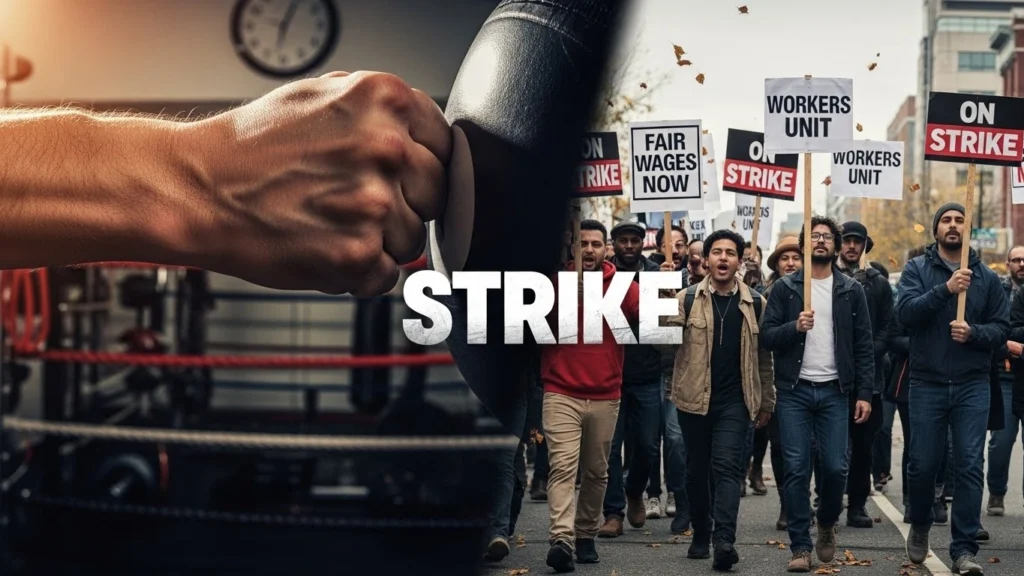
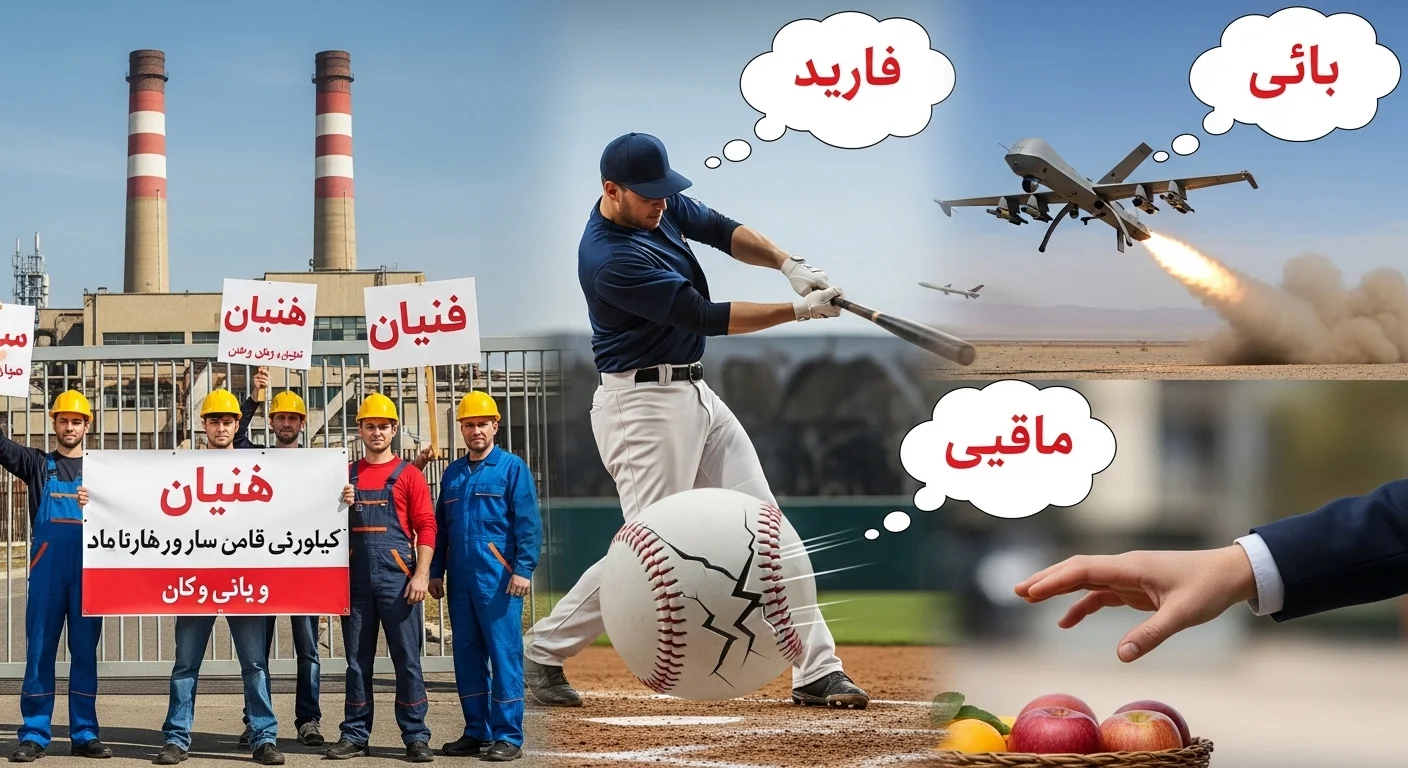
Strike Meaning in Farsi
The word strike in Farsi (Persian) has different meanings depending on context:
اعتصاب (Etesaab) – when referring to a protest or work stoppage
ضربه (Zarbeh) – meaning a hit or blow
حمله (Hamleh) – meaning an attack
برخورد (Barkhord) – meaning collision or impact
For example:
Workers’ strike = اعتصاب کارگران
A strong strike in boxing = ضربه قوی
The correct translation depends on whether “strike” refers to protest, physical hit, or attack.
Strike Meaning in English
In English, strike has multiple meanings as both a verb and a noun.
As a verb, it can mean:
To hit something forcefully
To protest by refusing to work
To suddenly affect (e.g., “The idea struck me.”)
As a noun, it can mean:
A work stoppage (labor strike)
A hit or blow
A military attack
Because it has several meanings, context is essential to understand how “strike” is being used.
Strike Meaning Protest
A strike as a protest refers to a situation where workers stop working to demand better pay, improved working conditions, or other rights. It is a common form of labor protest organized by unions.
For example:
“Teachers went on strike for higher salaries.”
Strikes are often used as a legal and organized way for employees to negotiate with employers.
Strike Meaning Work
In the workplace, a strike happens when employees collectively refuse to work until their demands are addressed. It may involve factory workers, teachers, healthcare staff, or other professionals.
A work strike usually aims to:
Increase wages
Improve safety
Change company policies
During a strike, operations may slow down or stop entirely.
Strike Meaning in French
In French, the meaning of strike depends on context:
Protest strike = grève
Physical hit = frapper (verb) or coup (noun)
Military strike = attaque
Example:
Workers’ strike = grève des travailleurs
Air strike = attaque aérienne
Strike Meaning in History
In history, a strike often refers to organized labor movements where workers protested unfair conditions. Industrial strikes became common during the 19th and 20th centuries, especially during the Industrial Revolution.
Historical strikes played an important role in securing:
Minimum wages
Safer working conditions
Labor rights
Reduced working hours
Major strikes have shaped labor laws and economic systems in many countries.
Strike Meaning in Football
In football (soccer), a strike refers to a powerful shot toward the goal. It can describe:
A strong kick
A goal attempt
A clean connection with the ball
For example:
“He scored with a brilliant strike from outside the box.”
In American football, the term is less common but may refer generally to a strong play or impact.
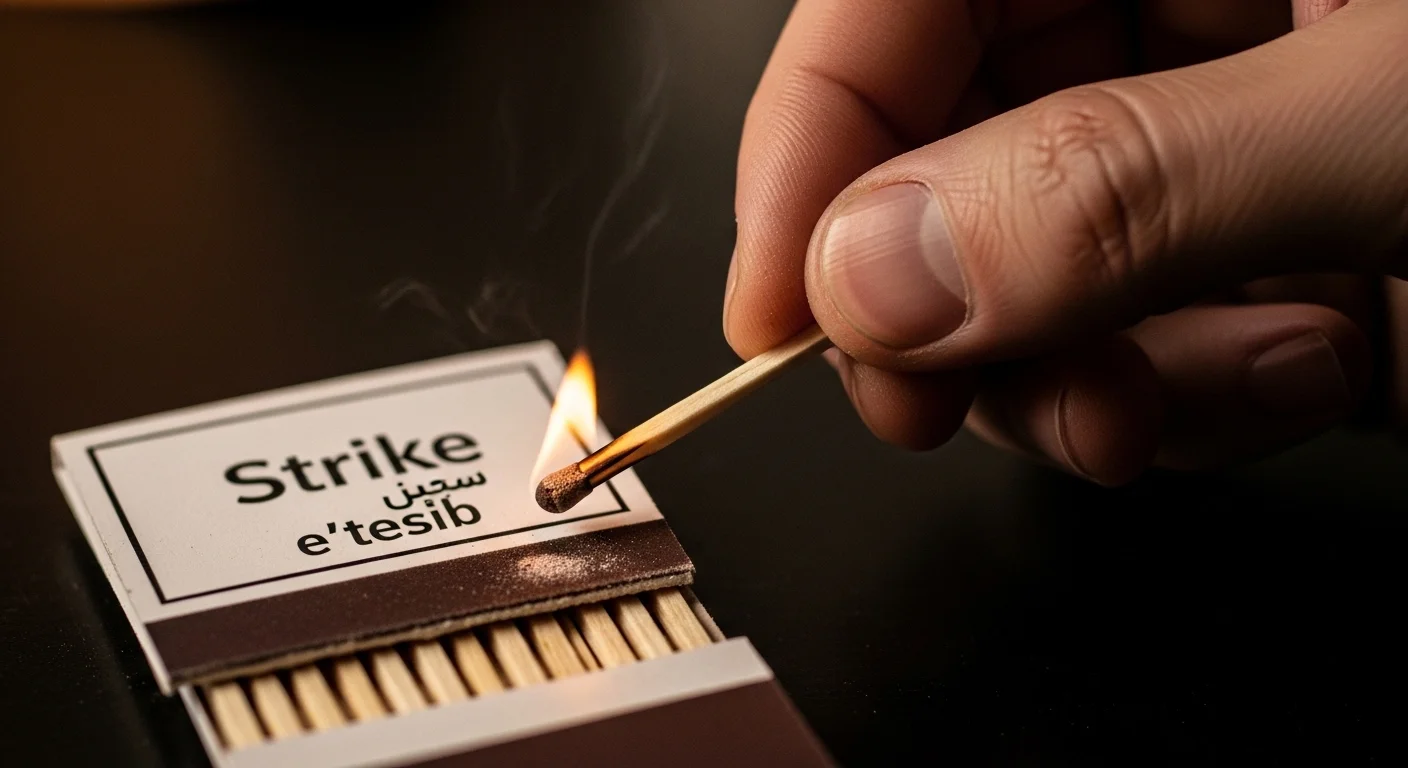
Strike Meaning in Games
In games, strike has several meanings depending on the type of game:
In bowling, a strike means knocking down all ten pins with one ball.
In video games, a strike may refer to a powerful attack or special move.
In baseball, a strike occurs when the batter swings and misses or fails to hit the ball in the strike zone.
For example:
“She scored a strike in bowling.”
“The character used a lightning strike attack.”
The meaning of strike in games depends on the specific game being played.
What Does “Strike” Meaning in Chat or Text?
In modern texting and online chat, “strike meaning” has several meanings depending on context:
To call out or hit back:
People use “strike” to indicate they are making a comeback in a conversation or “going after” someone in a playful or competitive way.
Example: “He tried to roast me, but I struck back with a savage reply.”
A warning or penalty:
On platforms like Twitch, Discord, or YouTube, strike refers to a warning for breaking rules.
Example: “He got a strike for posting spam in the server.”
To succeed or land a move:
Sometimes “strike” is used in gaming or sports chat to show you landed a good play or hit.
Example: “I finally struck the boss with my ultimate move!”
Origin:
The word “strike” comes from traditional English, meaning “to hit.” Online, it was adopted by gamers, forum users, and social media communities in the early 2010s.
In digital culture, it also became shorthand for a “penalty” after platforms like YouTube introduced their strike system for rule violations.
How People Use “Strike Meaning” in Real Conversations
Platforms where “strike” shows up:
Texting & iMessage: Friends teasing or warning each other.
Discord & Forums: Often related to rules or “strikes” for bad behavior.
Twitch & YouTube: Rule violation notices.
Snapchat & Instagram: Less formal; used more playfully like “striking” back in a comment thread.
Gaming chats: Refers to landing attacks or achievements in games.
When it’s appropriate:
Use it when discussing gaming, playful teasing, or rules enforcement.
Appropriate in semi-formal online communities to warn about misconduct.
When it’s awkward:
Using “strike” in professional emails or serious discussions can confuse others.
Misusing it in casual chat can make you sound overly dramatic or formal.
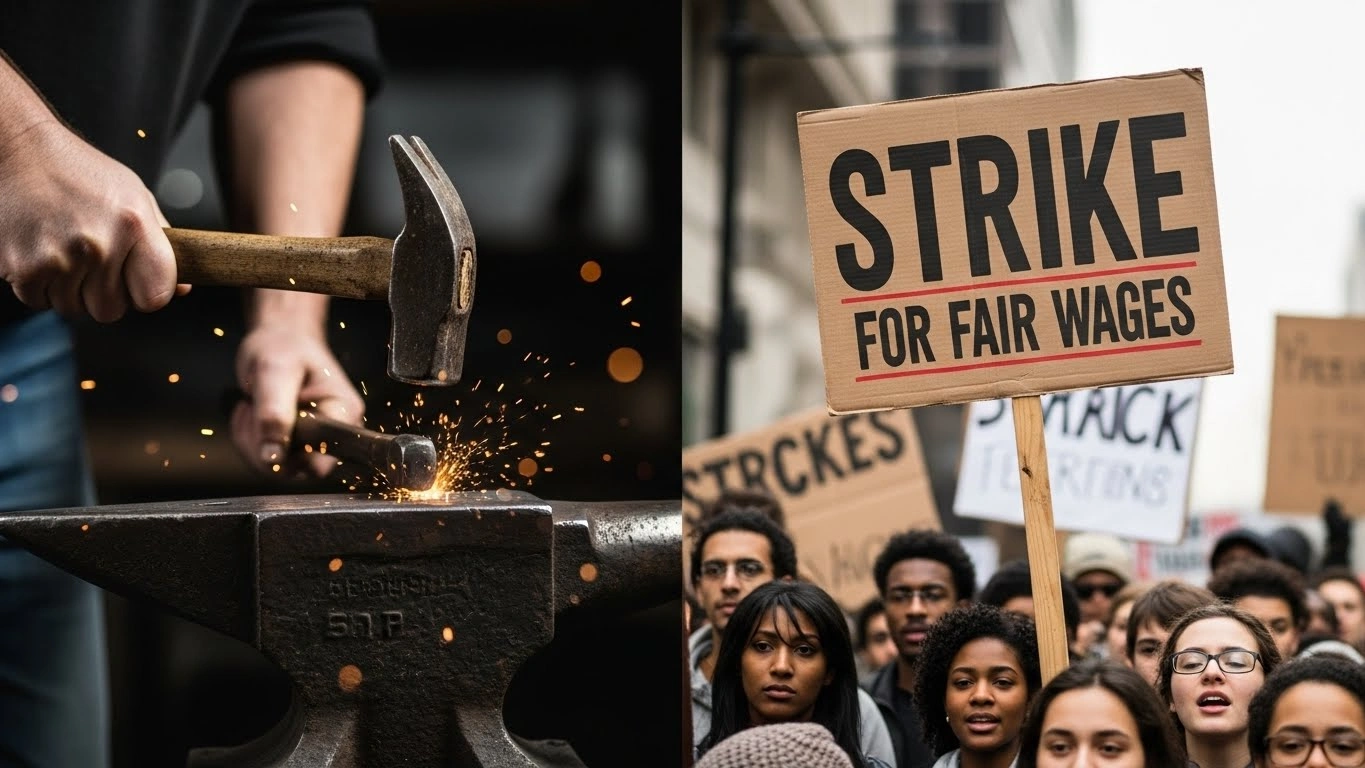
Real-Life Examples of “Strike Meaning” in Text Messages
Here are some short, relatable examples with explanations:
Example 1:
Friend 1: “You can’t beat me in Mario Kart.”
Friend 2: “Watch me strike with the blue shell!”
Explanation: “Strike” here means landing a powerful move in the game.
Example 2:
User on Discord: “You got a strike for posting spam links.”
Explanation: Platform warning; the “strike” is an official penalty.
Example 3:
Friend 1: “You roasted me so hard yesterday.”
Friend 2: “I had to strike back!”
Explanation: Playful comeback in conversation.
Example 4:
Gamer chat: “Finally struck the enemy base without getting caught.”
Explanation: Achieving success or making a precise attack in-game.
Example 5:
Comment on TikTok: “That trend hit hard, total strike!”
Explanation: Informal use to show impact or effectiveness.
Common Mistakes & Misunderstandings
Confusing with American Sign Language:
“Strike” in text is unrelated to ASL; avoid assuming it’s a hand gesture term.
Overusing in casual chats:
Saying “strike” in every friendly joke can sound forced or aggressive.
Misinterpreting tone:
“Strike” can seem harsh if not paired with context, especially in text where tone is missing.
Mixing definitions:
Don’t confuse playful strikes with rule-related strikes—they are very different contexts.
Related Slangs & Abbreviations
Clap back: Responding to criticism or roasting someone. Similar to “strike back.”
Hit: Used in gaming or social media to describe landing an action.
Ban/Warning: Related to official platform enforcement, like “strike” for breaking rules.
Flex: Showing off success; sometimes overlaps with “strike” in gaming.
Internal linking opportunities:
Articles on “clap back meaning,” “hit meaning in text,” or “flex meaning in chat.”