
Bas Relief Meaning in English
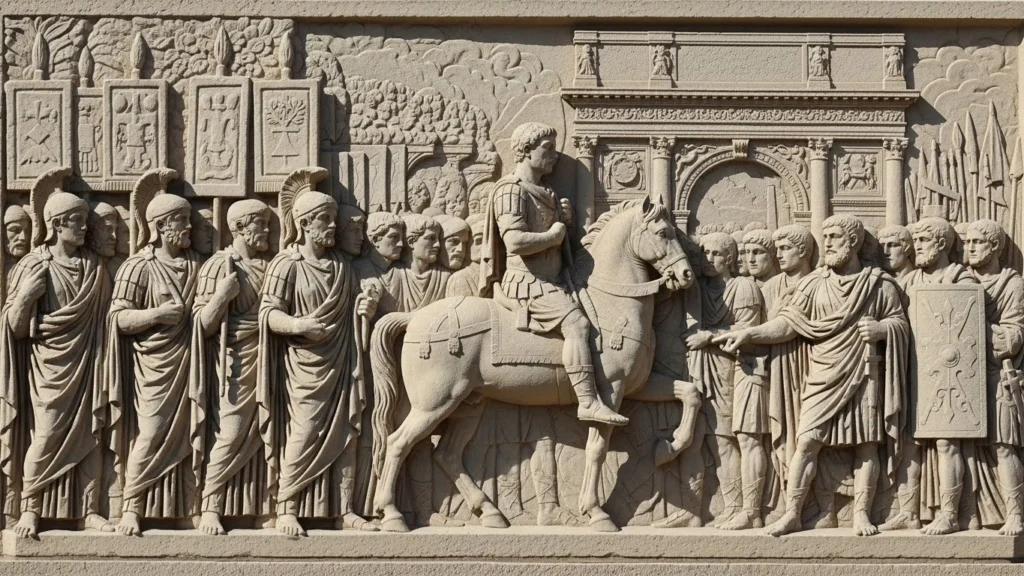
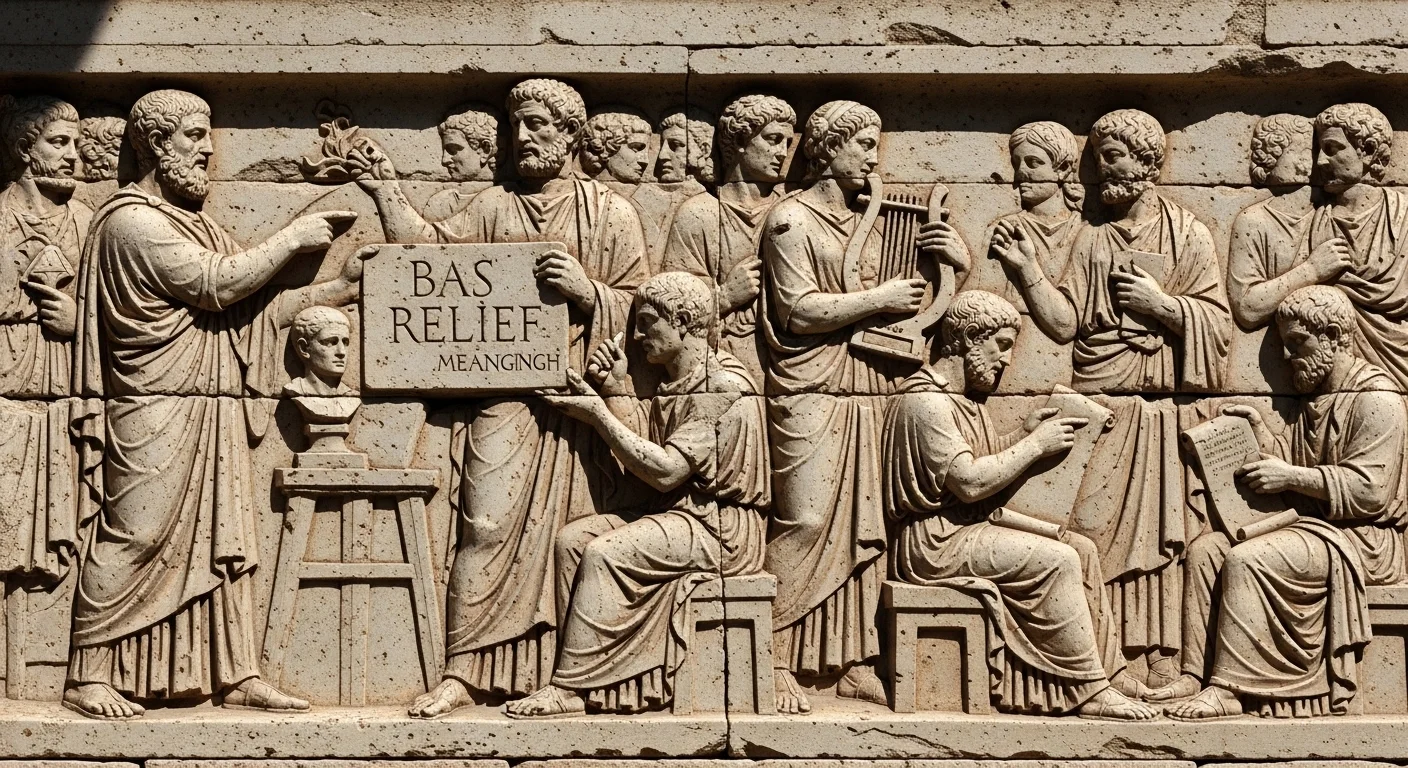
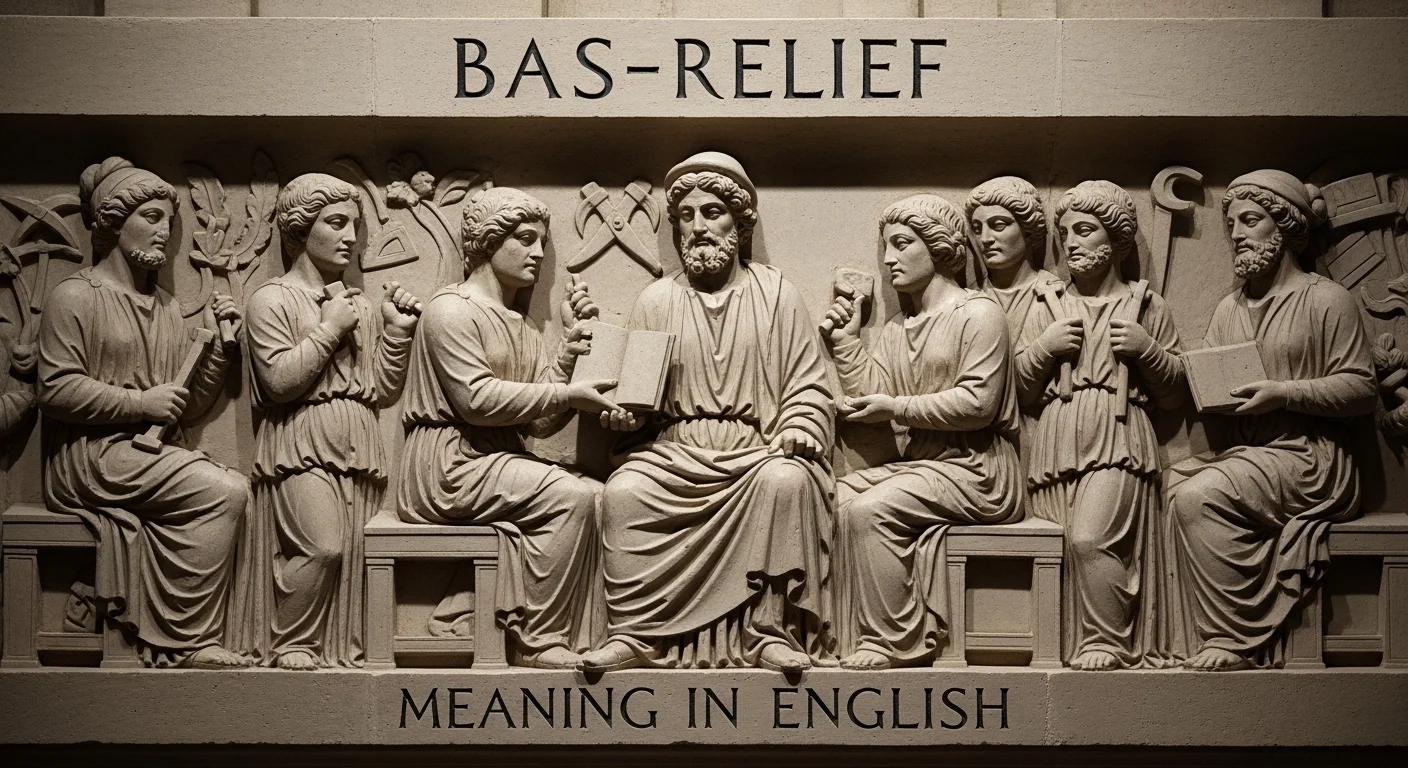
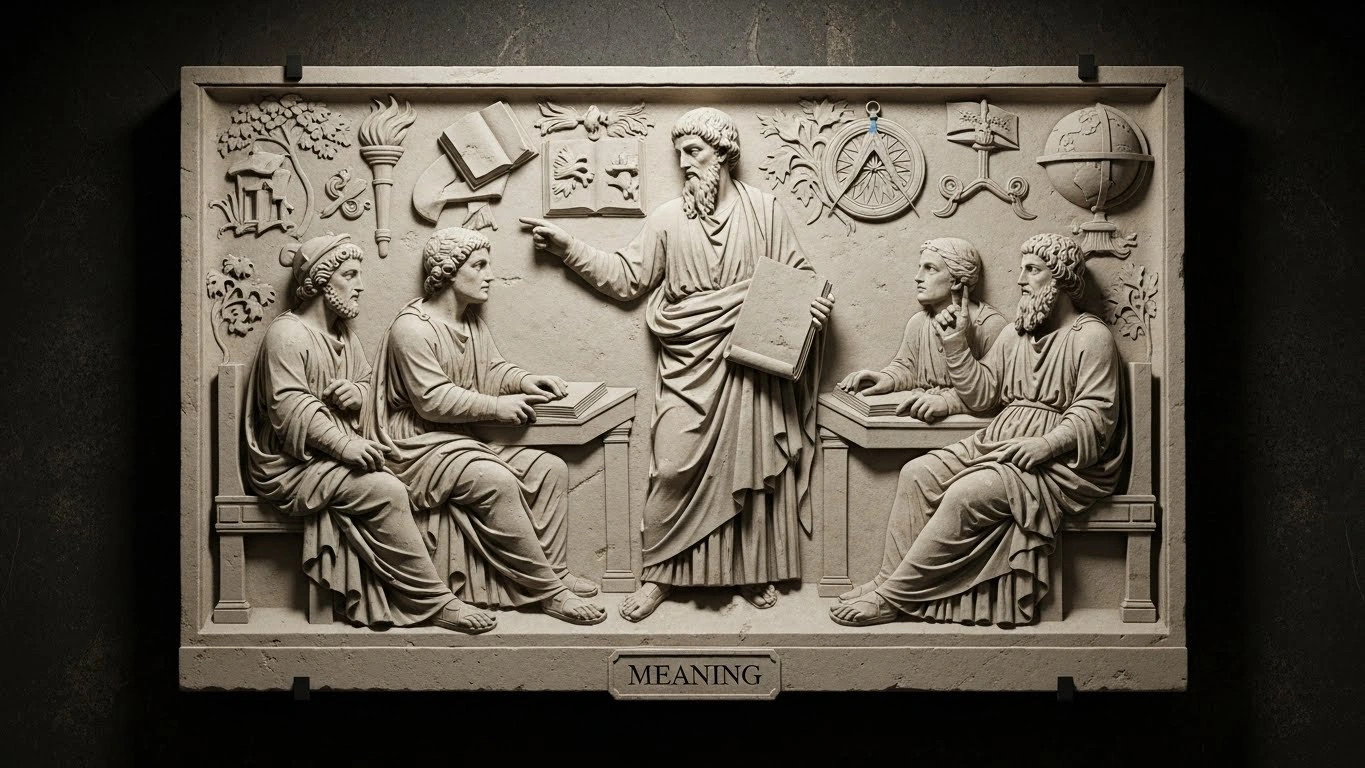
Bas relief (or bas-relief) is a type of sculpture where figures are slightly raised from a flat background, creating a subtle 3D effect. The depth is shallow compared to the surrounding surface.
Example:
Ancient coins often feature bas relief portraits of rulers.
High Relief Meaning
High relief (or alto-relievo) is a sculpture technique where figures project significantly from the background, sometimes appearing almost fully in the round.
Example:
The high relief sculptures on the Parthenon are deeply carved and highly detailed.
Bas-Relief Pronunciation
Pronunciation:
/bɑː ˈrɛl.iːf/
Breakdown:
Bas – sounds like “bah”
Relief – “ruh-leef”
Example Sentence:
The museum displayed an ancient bas-relief depicting a battle scene.
Bas-Relief Medium
Bas-relief sculptures can be created using various mediums:
Stone (marble, sandstone)
Metal (bronze, brass)
Wood
Plaster or clay
Example:
A marble bas-relief panel adorned the temple wall.
Bas Relief Examples
Famous examples of bas-relief include:
The Parthenon frieze in Athens
Egyptian temple carvings
Roman coins with rulers’ profiles
Modern architectural panels and plaques
Example:
The bas relief on the monument shows a historical scene in shallow depth.
Bas Relief vs High Relief
| Feature | Bas Relief | High Relief |
|---|---|---|
| Depth | Shallow | Deep, often nearly 3D |
| Projection | Slightly from background | Significantly from background |
| Appearance | Subtle, delicate | Bold, dramatic |
| Example | Coins, friezes | Parthenon sculptures, statues |
Example:
Bas relief is subtle, while high relief is more prominent and dramatic.
Bas Relief Synonym
Common synonyms for bas relief include:
Low relief
Shallow relief
Low-carved sculpture
Example:
The artist created a low relief portrait on the wall.
Bas-Relief Opposite
The opposite of bas-relief is high relief (alto-relief), where figures project deeply and dramatically from the background.
Example:
Unlike the subtle bas-relief, the high relief sculpture seemed almost three-dimensional.
What Does “Bas Relief” Meaning in Art?
Bas relief is a French term that literally translates to “low relief.” It refers to a sculptural technique where shapes are carved or molded slightly above the background surface, giving the illusion of depth without full three-dimensionality. Unlike statues that are fully rounded, bas relief artworks remain attached to a flat surface, like walls, coins, or architectural panels.
Key points about bas relief:
Low relief depth: Figures project minimally from the background.
Shallow carving: Often less than half of the depth of a fully three-dimensional sculpture.
Visual storytelling: Used to depict scenes, historical events, or decorative patterns.
Materials: Commonly stone, metal, wood, plaster, or clay.
Origins and History
Bas relief has roots in ancient civilizations, including Egypt, Greece, and Rome. Pharaohs used it on temple walls, Greeks on coins, and Romans on monumental arches. Over centuries, the technique evolved but kept its signature subtle depth. Today, you can find bas relief in public monuments, museum art, and even modern home décor.
How People Use “Bas Relief Meaning” in Real Conversations
While bas relief is mostly an art term, it sometimes pops up in casual conversations, especially among students, architects, designers, or online art communities. Here’s how people might use it in context:
On social media: “This building’s façade has amazing bas relief panels!”
In texting or Discord art chats: “Just finished my first bas relief clay piece—it’s harder than it looks.”
During museum tours or history discussions: “Notice the bas relief depicting the battle scene on this wall.”
When it’s appropriate vs. awkward:
Appropriate: Talking about sculpture, architecture, coins, design, or decorative arts.
Awkward: Using it as a metaphor for unrelated topics unless you clarify (“My workload feels like a bas relief of stress”—might confuse people).
Pro tip: People outside of art circles may not know the term, so a quick explanation helps.
Real-Life Examples of “Bas relief Meaning” in Text Messages
Seeing is believing. Here are some relatable examples of bas relief:
Coins and Medals: Most coins use bas relief to depict faces or emblems.
Example: “The president’s profile on the quarter is a classic bas relief.”
Building Decorations: Classical buildings often feature bas relief friezes.
Example: “The museum entrance has a bas relief of historical scenes carved into marble.”
Decorative Wall Panels: Modern interior design sometimes uses shallow-carved bas relief patterns.
Example: “I love the bas relief floral design on this feature wall—it’s subtle but elegant.”
Each example highlights the signature trait: slight projection from the surface creating visual depth without full 3D detachment.
Common Mistakes & Misunderstandings
Even art enthusiasts sometimes confuse bas relief with other terms. Here’s what to watch for:
Confusing bas relief with high relief (haut-relief):
High relief figures project significantly from the background, often almost fully in 3D. Bas relief is shallow by design.Misusing the term metaphorically:
Saying “my drawing is a bas relief” without context might confuse readers unless it’s about sculptural depth.Mixing with American Sign Language:
Bas relief is purely a visual art term and has no connection to ASL or texting abbreviations.
Quick tip: When unsure, describe the depth: “low-relief sculpture” can help clarify.
Related Slangs & Abbreviations in Art
While not chat slang, these art terms often pop up alongside bas relief discussions:
Haut-relief: French for “high relief,” a deeper form of sculpture.
Intaglio: The opposite of bas relief, where designs are carved into a surface.
Frieze: A horizontal band, often with bas relief decoration, on a building or monument.
Embossing: Shallow raised patterns on materials like paper or metal, similar to bas relief in effect.
These terms can be linked internally if you’re building a site or blog about sculpture, design, or art history.