
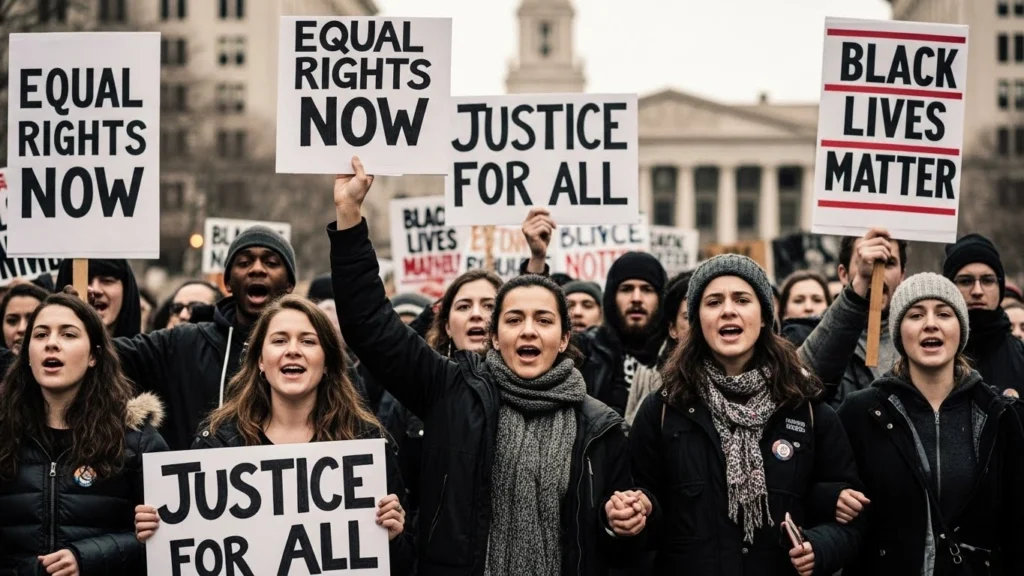
What Does “Civil Rights Meaning” Mean?
Civil rights are the legal and social rights that protect individuals’ freedom and equality in society. They ensure people can participate fully in civic life without discrimination or unfair treatment.
Simple definition
Civil rights meaning:
The rights guaranteed to individuals by law to ensure equal treatment, protection, and opportunity, regardless of race, gender, religion, or other characteristics.
Key aspects of civil rights
Equality: All individuals receive the same legal protections
Freedom from discrimination: Prevents unfair treatment in employment, education, housing, and public spaces
Participation: Rights to vote, protest, and access justice
Historical context
The concept of civil rights became prominent in the 20th century, particularly in the United States during the Civil Rights Movement of the 1950s and 1960s. Activists like Martin Luther King Jr., Rosa Parks, and others fought for the rights of African Americans to access education, voting, and public facilities equally.
Importance of Civil Rights
Civil rights are essential for a fair and functioning society.
Why civil rights matter
Protect individuals from abuse: Prevent discrimination and oppression
Ensure social justice: Promote equality for marginalized groups
Support democracy: Guarantee everyone’s voice is heard in governance
Foster inclusion: Encourage participation in public life
Without civil rights, societies risk inequality, injustice, and social unrest.
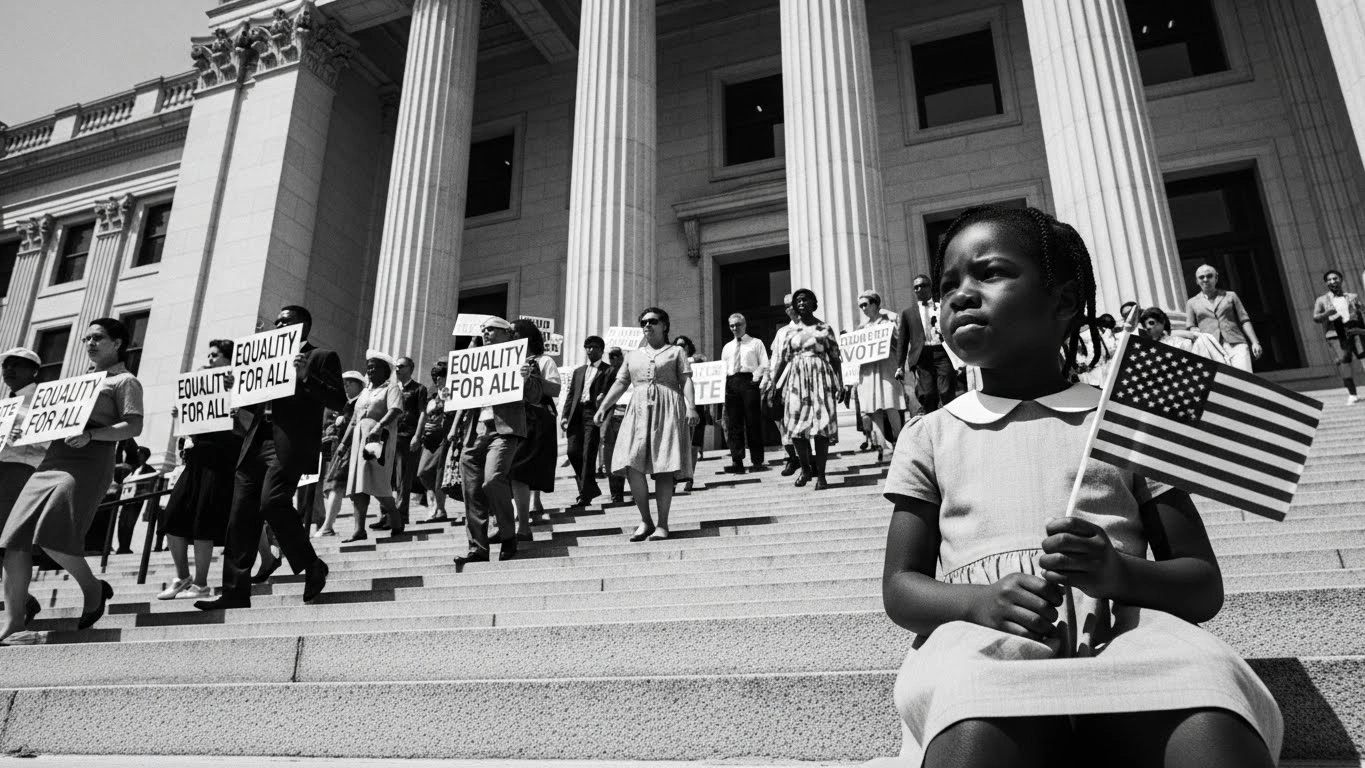
Examples of Civil Rights Meaning
Example 1: Right to vote
Citizens have the right to participate in elections regardless of race, gender, or social status.
Example 2: Freedom of speech
Individuals can express opinions, criticize government policies, and advocate for change.
Example 3: Equal access to education
Everyone has the right to attend schools and universities without discrimination.
Example 4: Anti-discrimination laws
Laws that protect people in workplaces, housing, and public services from unfair treatment.
Example 5: Right to peaceful protest
People can gather, protest, or march to voice concerns without fear of arrest, as long as they do it lawfully.
Civil Rights in Modern Society
Civil rights are not just historical concepts—they continue to evolve.
Modern challenges
Voting restrictions or gerrymandering
Gender inequality in workplaces
Racial profiling and systemic discrimination
Digital privacy and online harassment
Ongoing movements
Black Lives Matter: Advocates against racial injustice
Women’s rights movements: Focus on equality in pay, reproductive rights, and safety
LGBTQ+ rights campaigns: Fight for marriage equality, anti-discrimination protections, and recognition
Civil rights are living principles, adapting as society changes.
Related Terms
Understanding civil rights meaning often overlaps with other legal and social concepts:
Human rights: Rights that belong to every person regardless of citizenship
Constitutional rights: Rights granted by a country’s constitution
Equality: Fair treatment and opportunity for all individuals
Social justice: Fair distribution of wealth, opportunities, and privileges