
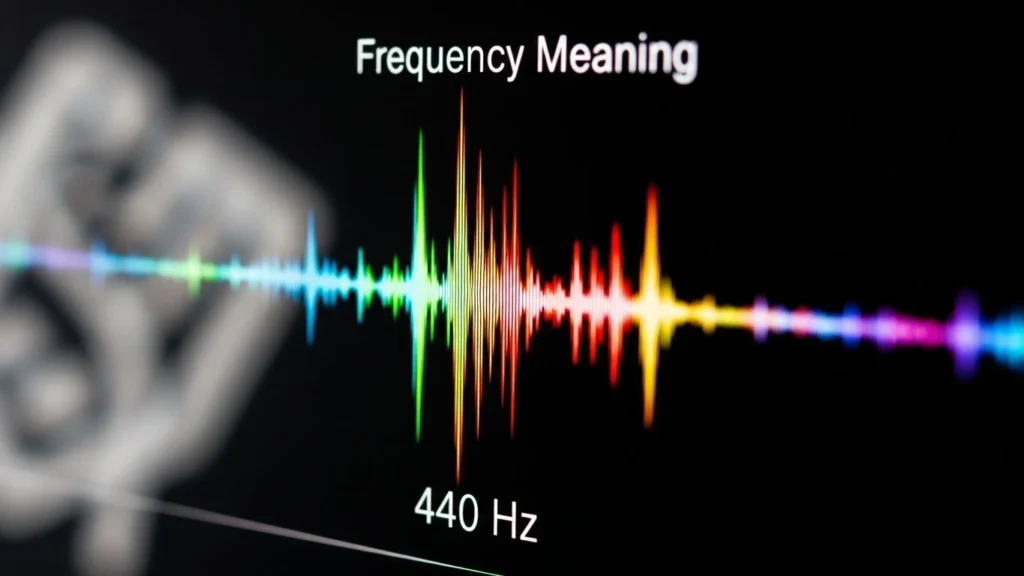
Frequency Meaning in Physics
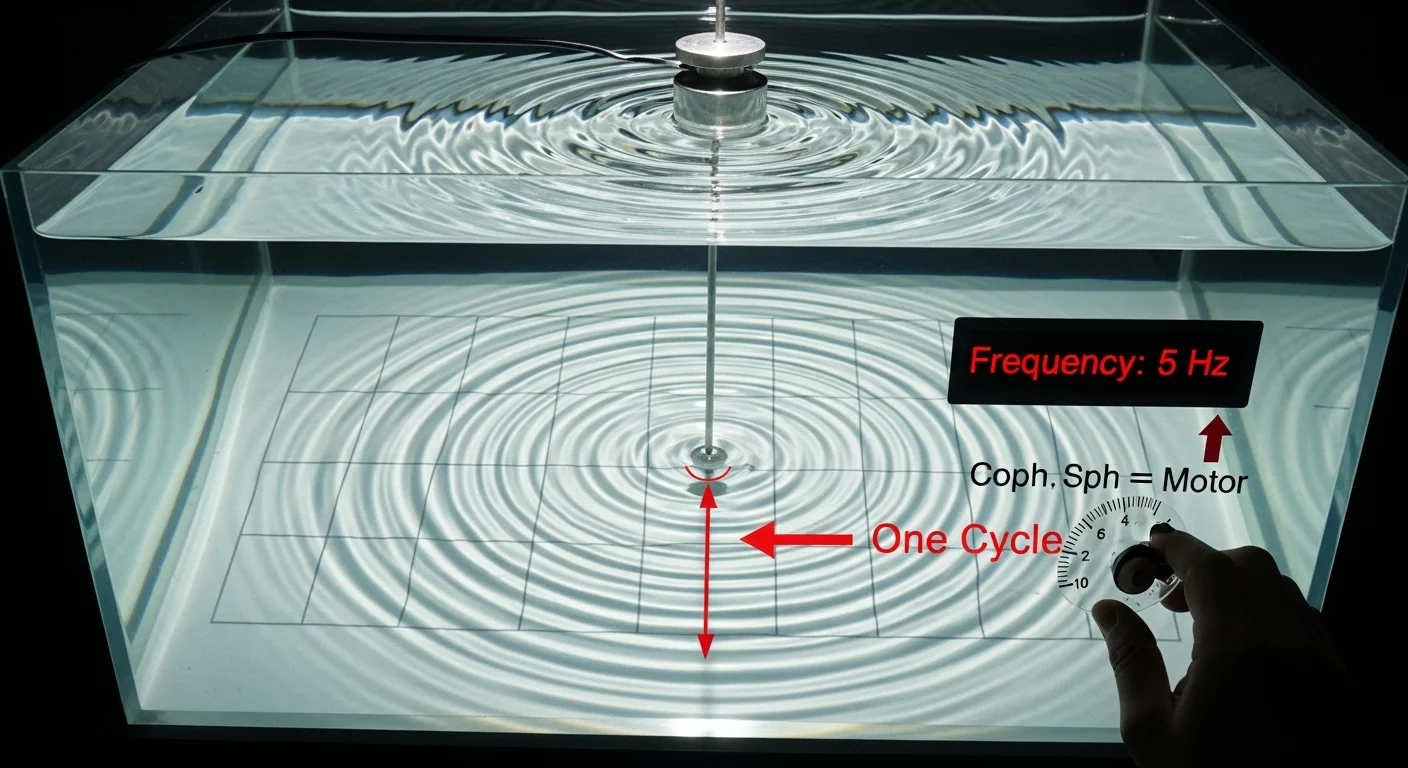
In physics, frequency refers to the number of times a repeating event occurs per unit of time, usually measured in Hertz (Hz). It is commonly used for waves, vibrations, and oscillations.
Example:
The frequency of a sound wave determines its pitch.
A wave oscillating 50 times per second has a frequency of 50 Hz.
Frequency Meaning in Science
In science, frequency broadly refers to how often something occurs over a period. This can apply to waves, reactions, events, or phenomena.
Example:
The frequency of rainfall in the region affects agriculture.
Scientists measure the frequency of light waves to study their properties.
Frequency Meaning in Bank
In banking, frequency usually refers to how often a financial activity occurs, such as:
Payments or deposits
Interest calculations
Transaction monitoring
Example:
The bank offers monthly, quarterly, or yearly frequency for interest payments.
Frequency Meaning in Farsi
In Farsi (Persian), frequency is translated as:
تکرار / بسامد (tekrār / basāmad) – meaning repetition or occurrence rate
Example:
بسامد امواج صوتی بر حسب هرتز اندازهگیری میشود.
(The frequency of sound waves is measured in Hertz.)
Frequency Meaning in Maths
In mathematics, frequency refers to the number of times a particular value occurs in a dataset. It is often represented in frequency tables or histograms.
Example:
In the dataset {1, 2, 2, 3, 3, 3}, the frequency of 2 is 2, and the frequency of 3 is 3.
Frequency Meaning in Medical
In medical contexts, frequency can refer to:
How often a symptom occurs, such as urination frequency
Repetition of treatments or doses
Example:
The patient reported a high frequency of urination.
The doctor prescribed medication with a twice-daily frequency.
Frequency Meaning in Sound
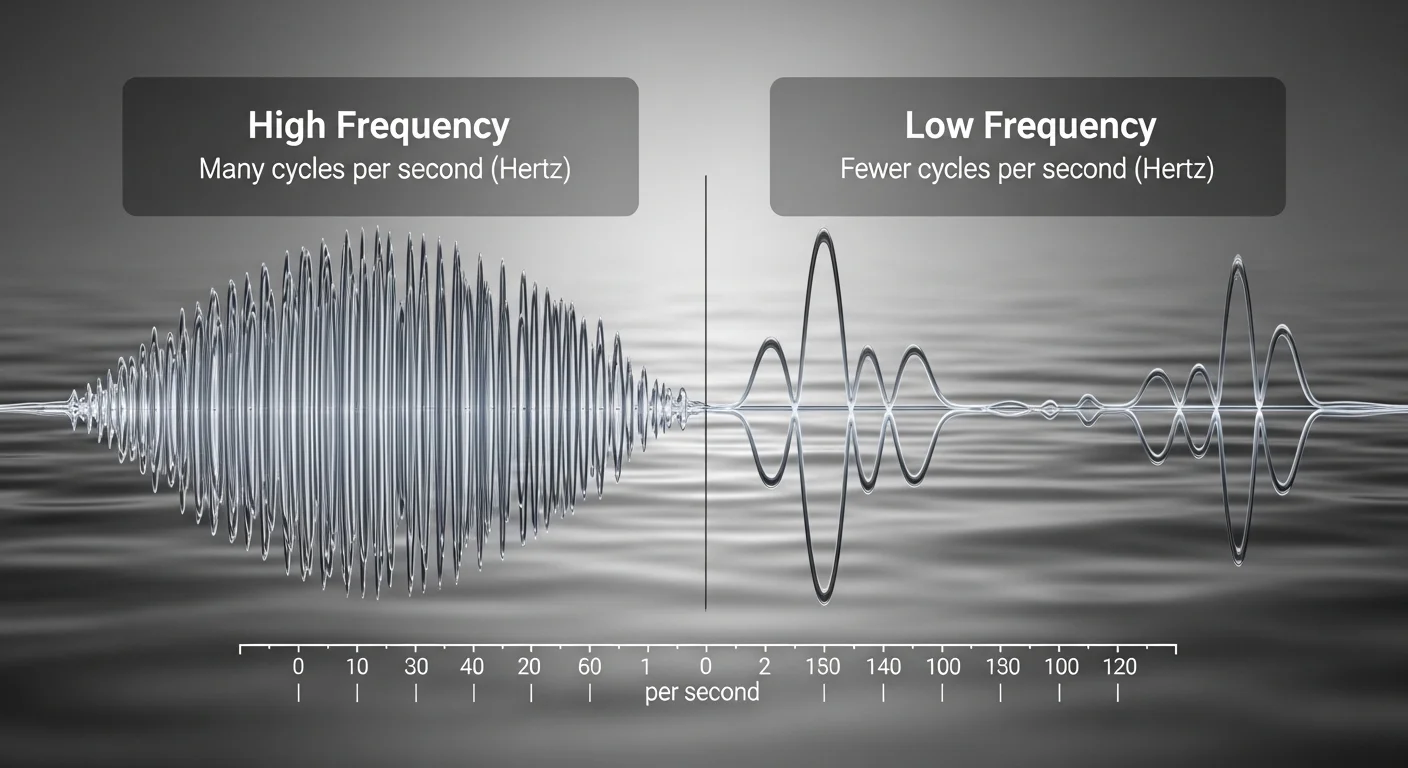
In sound and acoustics, frequency determines the pitch of a sound:
High frequency = high-pitched sound
Low frequency = low-pitched sound
Example:
A whistle has a high frequency, while a drum produces a low frequency.
Frequency Meaning in Statistics
In statistics, frequency refers to the number of times a value or category appears in a dataset.
Example:
A frequency table lists each category and how often it occurs.
The frequency distribution helps visualize data patterns.
What Does “Frequency” Mean in Chat or Text?
In modern chat and slang, frequency usually means someone’s mental state, vibe, mindset, or energy level.
Instead of talking about physics, people use “frequency” metaphorically to describe how aligned (or not aligned) they feel with someone else.
Simple slang definition
Frequency (slang):
The emotional, mental, or social “wavelength” someone is on.
If two people understand each other easily, share humor, or think alike, they’re said to be on the same frequency.
Common slang meanings based on context
Same frequency → We understand each other / we vibe
Different frequency → We don’t think the same way
Not my frequency → Not my style, mindset, or energy
High frequency → Positive, motivated, focused
Low frequency → Negative, tired, emotionally off
Brief origin of the slang usage
The slang version comes from:
Radio and signal language (being “in tune”)
Self-improvement and spiritual communities
Internet culture and social media captions
Over time, it became casual shorthand for vibes and compatibility, especially in Gen Z and millennial conversations.
How People Use “Frequency” in Real Conversations
You’ll see frequency in chat across many platforms, often replacing older words like “vibe” or “wavelength.”
Common platforms where it appears
Text messages and WhatsApp
Instagram captions and comments
Snapchat and Discord chats
Dating apps bios and messages
Twitter/X and Reddit discussions
When it sounds natural
Using “frequency” works best when talking about:
Compatibility
Mindset differences
Emotional alignment
Energy and mood
Example:
“We just don’t think the same way anymore. Different frequency.”
When it sounds awkward
It can feel forced if:
Used in formal or professional emails
Said to someone unfamiliar with slang
Overused in one conversation
Example of awkward use:
“Please adjust your frequency regarding the meeting schedule.”
That sounds more like a robot than a real person.
Personal-style insight
In everyday chat, people often use “frequency” to sound thoughtful without being confrontational. Saying “different frequency” feels softer than saying “you’re annoying” or “we don’t match anymore.”
Real-Life Examples of “Frequency” in Text Messages
Below are realistic, chat-style examples showing how frequency meaning slang works in context.
Example 1: Friends
Text:
“Lately I feel like we’re not on the same frequency.”
Meaning:
They feel emotionally or mentally disconnected.
Example 2: Dating app
Text:
“You’re cool, but I think we’re on different frequencies.”
Meaning:
Polite way of saying there’s no romantic compatibility.
Example 3: Work chat
Text:
“Everyone’s stressed today, low frequency vibes.”
Meaning:
The mood is negative or tense.
Example 4: Instagram caption
Text:
“Protect your frequency.”
Meaning:
Guard your mental health and energy.
Example 5: Group chat joke
Text:
“Why are you talking about taxes? We’re on meme frequency right now.”
Meaning:
Wrong topic for the current mood.
Common Mistakes & Misunderstandings
Understanding what does frequency mean in text also means knowing what it does not mean.
1. Confusing it with the scientific meaning
In physics, frequency means:
Number of waves per second
Measured in Hertz (Hz)
In chat slang, it has nothing to do with math or science.
2. Assuming it’s always spiritual
While some people use it spiritually, most online users mean:
Vibe
Mindset
Emotional alignment
It’s not automatically about meditation or energy healing.
3. Using it too seriously
In casual chat, “frequency” is usually light and informal. Over-explaining it can make conversations weird.
4. Misreading tone
“Different frequency” can mean:
Gentle mismatch
Soft rejection
Emotional distance
Context and tone matter a lot.
Related Slangs & Abbreviations
If you understand frequency in chat, these related terms will also make more sense.
Similar slang terms
Vibe – Emotional atmosphere or feeling
Wavelength – How well people understand each other
Energy – Mood or attitude someone brings
Mood – Emotional state, often temporary
Aura – Overall presence or impression
Closely related phrases
“Same page”
“Not clicking”
“Different headspace”
“We don’t align”
These terms are often interchangeable depending on tone and platform.